Gas Furnace Repair in Newark for Reliable Heat
Gas Furnace Repair in Newark helps homeowners get reliable heat back when a furnace blows cold air, cycles repeatedly, or will not ignite. Heating and cooling Masters serves homes and small properties across Newark, New Jersey, with gas heating repair Newark NJ focused on identifying the fault, explaining the repair, and testing safe operation. As November temperatures fall, a prompt diagnosis can help prevent a small ignition or airflow problem from becoming a no-heat emergency.
Service overview
Gas Furnace Repair in Newark Explained
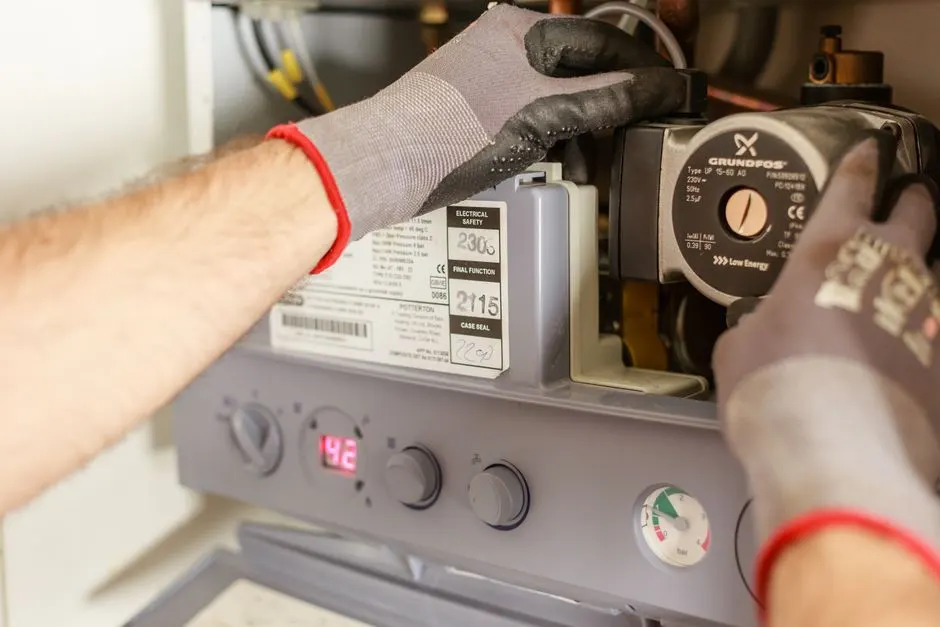
Gas Furnace Repair in Newark is a heating repair service that diagnoses and corrects faults preventing a natural-gas furnace from producing or distributing heat safely. We inspect the thermostat call, ignition sequence, burners, flame sensing, venting, and airflow before selecting a repair. A failed hot-surface igniter, dirty flame sensor, faulty thermostat, or restricted air filter can all produce similar symptoms, so we test rather than guess. After the repair, we run the furnace through a complete heating cycle and check that it starts, heats, and shuts down as intended. Newark homes range from older houses with aging heating equipment to renovated apartments with newer high-efficiency systems. Cold, damp weather from late fall through winter puts long run times on furnaces, while blocked returns or overdue air-filter changes can worsen furnace short cycling. If you are searching for gas furnace repair near me in Newark NJ, tell us what the system is doing, when the trouble began, and whether you noticed unusual sounds or odors. Those details help us focus the first inspection.
! Common warning signs
The furnace starts but shuts off before rooms reach the set temperature.
Repeated short cycles can leave rooms cold, increase wear on ignition and control components, and make fuel use less efficient during Newark's winter heating season.
The burner fails to light, or the pilot light keeps going out.
Without reliable ignition, the furnace cannot deliver heat; repeated resets can also hide a fault that needs proper testing instead of continued attempts to restart.
Warm air reaches some rooms while other Newark rooms stay cold.
Uneven heat can make you raise the thermostat without solving the colder rooms, while restricted airflow puts extra strain on the furnace and can trigger safety shutdowns.
Scope of work
What Gas Furnace Repair Includes
Gas furnace repair covers diagnosis and correction of faults affecting ignition, heat production, controls, or air delivery. We inspect the components related to your symptoms, explain the repair, and verify operation afterward. The exact work depends on the failed part and the furnace model; a major replacement or a separate ductwork project is discussed as its own repair decision rather than assumed to be part of a basic service visit.
-
01
Heating fault diagnosis
We review the symptom, check the thermostat call, and inspect the furnace's accessible operating components. Testing helps separate a thermostat issue from ignition failure, poor airflow, or a burner-related fault. We explain the result before recommending a repair, so you know what is stopping the furnace from heating.
-
02
Ignition and flame checks
When the furnace will not light or stay lit, we examine the ignition sequence and flame-sensing operation. Depending on the equipment, that can include a hot-surface igniter, pilot assembly, or flame sensor. We confirm that the burner starts and continues operating as designed after the corrective work.
-
03
Control and airflow review
We check thermostat response, visible control connections, air-filter condition, and signs of restricted airflow. These checks matter when a furnace cycles too often, runs without warming rooms, or overheats and shuts down. If a separate airflow or duct issue needs attention, we explain how it relates to the heating complaint.
-
04
Repair and cycle verification
After the approved repair, we restart the furnace and observe a complete heating cycle. We confirm the system responds to the thermostat and moves warm air through the supply registers. You receive a plain-language summary of the work and any practical maintenance steps relevant to the fault.
What a Proper Repair Delivers
A sound repair should do more than make the burners light once. We trace the cause, correct the fault, and verify the operating sequence so you know what changed and what to watch next. Clear findings also help you decide whether a component repair is sensible or an aging furnace needs a broader plan.
Book serviceTools and Repair Methods
Combustion analyzer
We use a combustion analyzer to assess flue-gas performance during appropriate operating checks. Readings help identify combustion concerns that need correction or further inspection rather than relying only on burner appearance.
Manometer
A manometer measures gas pressure at specified test points when the diagnosis calls for it. We compare readings with the equipment requirements to investigate ignition or burner performance concerns.
Multimeter
A multimeter checks electrical supply and component circuits, helping us distinguish a failed igniter, control, or connection from a problem elsewhere in the heating sequence.
Infrared thermometer
An infrared thermometer checks surface-temperature patterns around accessible heating and airflow areas. We use those observations alongside cycle testing to help locate uneven heat or possible restrictions.
Local service details
Gas heating repair Newark NJ calls reflect a mix of building ages, equipment types, and access conditions. In older homes, a furnace may sit in a basement or utility area with limited working space; renovated properties can have newer high-efficiency equipment with condensate components and different venting. Newark's heating demand rises as November moves into winter, so a small ignition fault can become a no-heat problem during a long cold spell. We ask about the system's age, recent filter changes, and the exact symptom before testing. For a suspected cracked heat exchanger, damaged vent, or gas odor, safety takes priority over a quick restart. Our repair approach follows applicable manufacturer instructions and fuel-gas requirements, with testing matched to the equipment. If you are searching for gas heating technician Newark, New Jersey, share your neighborhood, ZIP code, and whether the furnace is running at all; those details help us plan the visit and bring suitable diagnostic equipment.
How Gas Heating Repair Works in Newark
- • Ironbound
- • Forest Hill
- • Weequahic
- • Downtown Newark
Repair outcomes
Same-Day Heating Help in Newark
A Clear Plan When Heat Fails
When your furnace stops heating, call Heating and cooling Masters and tell us what the system is doing, where you are in Newark, and whether you notice an unusual odor. We discuss the next available appointment and focus the visit on restoring safe heat. Same-day gas heating repair Newark depends on the service schedule and the fault, but a clear symptom description helps us prepare. A diagnostic visit often begins with a 30-to-60-minute inspection; a straightforward repair commonly takes one to three hours after diagnosis. Our technician brings electrical and combustion testing equipment suited to gas-furnace troubleshooting and explains the findings before the repair. If the smell suggests a gas leak, leave the property and contact the gas utility or emergency services from outside; do not wait for a routine appointment. We serve Newark neighborhoods across Essex County and confirm the practical next step when you call.
What to Expect During Service
Hear the symptoms
We start by asking what you noticed: no heat, weak airflow, unusual cycling, a pilot that goes out, or a furnace that runs without warming the rooms. Share when the issue began and any thermostat changes. This conversation takes a few minutes and helps our technician prioritize likely causes without skipping basic safety questions.
Inspect the furnace
We check the thermostat call, air filter, visible wiring, burner area, vent connections, and access panels. The inspection is tailored to your system rather than a parts checklist. A typical initial diagnostic takes about 30 to 60 minutes, depending on access, the symptom, and whether the furnace completes an operating cycle.
Test the fault
We use appropriate electrical and combustion checks to distinguish a failed component from a control, airflow, or venting problem. For example, a furnace ignition failure may come from an igniter, flame sensor, or interrupted power. We explain the finding in plain language and identify the repair needed before moving ahead.
Gas Furnace Repair Pricing
Gas furnace repair cost Newark NJ depends on the failed component, diagnostic time, equipment access, and whether the fault affects more than one part. As a general guide, many common repairs fall between $180 and $850, while complex component work can exceed that range. Typical 2026 pricing in Newark reflects parts and labor for the specific system, not a flat fee for every no-heat call. We explain the price before work begins. A clear diagnosis helps you compare a focused repair with the cost and condition of an older furnace.
Failed component type
A straightforward thermostat adjustment or accessible sensor repair usually costs less than replacing a major control or motor. Parts differ by model and availability, so we identify the failed component first and explain how its price affects the total.
Access and diagnostic time
A furnace with clear service access is generally quicker to inspect than equipment in a tight basement or closet. Intermittent faults can also require additional cycle testing to reproduce. Time spent locating the actual cause is part of making the repair accurate.
Additional safety or airflow work
Evidence of a venting, combustion, or airflow issue can require further checks or a separate corrective repair. We explain what is needed and why, rather than treating a suspected hazard as a routine parts replacement. The final price reflects the work you approve.
Gas Furnace Repair Questions
Who repairs gas furnaces in Newark?
Heating and cooling Masters repairs gas furnaces in Newark, including ignition, airflow, thermostat, and burner-related faults. We begin with a diagnostic inspection, explain the cause, and test the system after the repair. If you are looking for a natural gas furnace technician Newark, New Jersey, share your furnace brand, the symptoms, and whether the system is producing any heat when you call.
How much does gas furnace repair cost in Newark NJ?
Many common gas furnace repairs cost about $180 to $850 in Newark, with diagnostic and component work often taking one to three hours. The final price depends on the failed part, equipment access, and whether additional testing or repair is needed. Typical 2026 pricing varies by fault; we explain the price before work begins so you can decide how to proceed.
Why is my gas furnace not producing heat?
A furnace that produces no heat often has a thermostat, power, ignition, flame-sensing, or gas-supply problem. Check that the thermostat is set to heat and the air filter is not visibly blocked, but do not open gas components or bypass safety controls. We test the heating sequence to locate the cause. If you smell gas, leave and call for emergency help from outside.
Is it safe to run a gas furnace that smells unusual?
A gas or rotten-egg odor is not safe to ignore; leave the building and contact the gas utility or emergency services from outside. Do not operate switches, use a flame, or restart the furnace. A brief dusty smell at the first seasonal start can differ, but persistent, burning, or unfamiliar odors need prompt attention. We can inspect the furnace once the area is declared safe.
Related heating
Emergency Furnace Repair
When a gas furnace stops during a cold Newark night, emergency service addresses the no-heat fault and checks safe operation. We identify whether the issue is ignition, control, airflow, or another component, then explain the repair needed to restore heat.
Electric Furnace Repair
An electric furnace uses heating elements and electrical controls rather than gas burners. If your Newark property has an electric system, we diagnose its own power and heat-delivery faults instead of applying gas-furnace procedures. Correct system identification helps avoid unnecessary parts or testing.
Get Gas Furnace Repair in Newark
If your furnace is blowing cold air, cycling repeatedly, or refusing to ignite, call Heating and cooling Masters to arrange service. Our team explains the diagnosis and repair price before work begins. Call now to get help restoring heat in your Newark home.