Logo
Dayton heating service

Furnace Repair in Dayton for Reliable Heat

Furnace Repair in Dayton keeps your home or workplace warm when an ignition fault, airflow problem, or failing component interrupts heat. Heating and cooling Masters serves the Newark Liberty International Airport area and nearby residential streets, including ZIP code 07114. Our Dayton Furnace Repair technicians inspect the cause, explain the repair, and test the system before wrapping up, so you know what changed and whether your furnace is heating safely.

Dayton, NJ
Local coverage
Gas and electric
Heating systems
November cold-weather calls
Current season focus

About Dayton service

Furnace Repair in Dayton, New Jersey

Why we work here

Dayton sits alongside busy transport and industrial activity, yet its residential properties still need dependable heat through cold New Jersey winters. In November, homeowners start running furnaces for longer stretches, revealing weak igniters, dirty filters, and thermostat problems that stayed unnoticed during warmer months. Facilities also need steady indoor temperatures for staff and day-to-day work. We serve the area because a prompt, careful repair matters whether your furnace heats a home or supports a commercial space. Properties close to major transport infrastructure may face elevated outdoor noise, so our technicians rely on instrument readings and direct equipment checks rather than sound alone. We explain the finding in plain language and focus on a safe, lasting repair.

Local help for homes and commercial heating systems

Furnace Repair in Dayton is the diagnosis and repair of heating equipment when a furnace fails to start, cannot maintain temperature, or operates unsafely. Heating and cooling Masters serves Dayton as part of our Newark, New Jersey service region, with appointments for homes and commercial facilities near the Newark Liberty International Airport area. The mix of residential properties, airport activity, and industrial uses means heating needs vary from a single-family furnace to equipment supporting a larger occupied building. Our technicians check the fault before recommending a part or adjustment. For Furnace Repair Dayton NJ customers, we inspect controls, airflow, ignition, and venting, then confirm the system's operation after work. We also serve customers in the South Ward industrial district and near the Frelinghuysen Avenue corridor. A furnace problem in cold weather is disruptive; clear diagnosis helps you choose the repair that gets heat back without replacing parts unnecessarily.
Heating services

Dayton Furnace Repair and Heating Services

Dayton's mix of residential buildings and commercial facilities creates different heating demands, especially as cold weather sets in from late fall through winter. A furnace may run for long cycles in a home or serve occupied work areas where comfort needs to remain steady. We repair gas and electric equipment, address ignition and thermostat faults, and inspect airflow when rooms heat unevenly. If you need same-day heating repair in Dayton, call with the symptoms, furnace type, and whether the system is producing any heat; those details help us prepare for the visit.

How service works

How Dayton Heating Repair Gets Done

Challenge: Cold snaps increase heating demand across homes and occupied commercial buildings.

During a cold stretch, a furnace fault affects comfort quickly, and systems that have sat idle through summer may fail on their first extended run. Calls can involve anything from a thermostat issue to a component that cannot sustain a full cycle.

Response: We begin with the symptom and the equipment type, then check the sequence that is failing. Our technician confirms whether the furnace starts, sustains heat, and shuts down correctly. We prioritize safety concerns and explain the immediate repair path so you can make a clear decision.

Challenge: Airport and industrial activity sits alongside residential streets and facilities.

Dayton includes different building uses and varied service access. A home appointment may have straightforward entry, while a commercial site may require coordination around occupied areas or working hours. Elevated outdoor noise near major transport infrastructure can also make sound-based diagnosis less dependable.

Response: We confirm access details before arrival and work with the site's contact to reach the furnace safely. Instrument readings help us distinguish equipment vibration from surrounding noise. We keep the inspection focused, respect occupied spaces, and explain any findings that affect continued operation.

Local coverage

Newark Liberty International Airport areaFrelinghuysen Avenue corridorWeequahicSouth Ward industrial districtDayton residential propertiesNewark airport-side commercial facilities

Dayton service area

Dayton

Latitude: 40.6895

Extract Directions

Repair examples

Service scenario: 1

Dayton residential properties

Problem

A Dayton home furnace repeatedly started and stopped during a cold spell, leaving the main living area warm while distant rooms stayed chilly.

Work

We checked the thermostat call, inspected the filter and accessible airflow path, then tested the ignition sequence. The repeated cycling pointed to a combination of restricted airflow and a control issue. We corrected the identified fault, checked the system's temperature rise against its equipment specifications, and ran multiple complete heating cycles before reviewing the outcome with the homeowner.

Result

The furnace completed three consecutive heating cycles without the repeated shutdown. Airflow improved at the affected rooms, and the homeowner received a clear explanation of the filter interval and the repaired control issue.

Service scenario: 2

Frelinghuysen Avenue corridor

Problem

A commercial furnace near the Frelinghuysen Avenue corridor failed to establish heat consistently before occupied work areas opened.

Work

We coordinated access with the site contact, reviewed the reported startup pattern, and checked electrical controls and ignition operation. After correcting the failed ignition component, we verified startup, flame sensing, and shutdown through repeated operating cycles. We also checked that the affected area received heated air and explained which symptoms should prompt a follow-up call.

Result

The unit completed two full operating cycles during the visit, and the affected work area began receiving heat. The site contact had a direct summary of the repair and the checks completed.

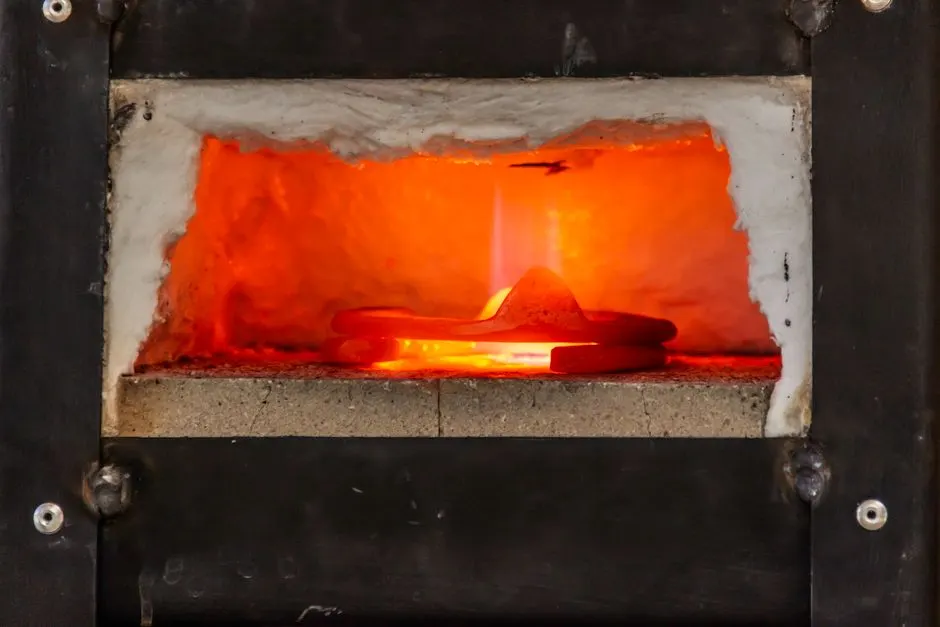
Close-up of metal being heated in a blacksmith forge, showcasing industrial craftsmanship.
Repair approach
Repair approach

What Dayton Furnace Visits Reveal

Diagnosis before replacement

Across Dayton service calls, recurring complaints include a furnace that starts and stops repeatedly, weak heat in rooms far from the unit, and ignition that fails after several attempts. We trace each symptom to its source instead of treating every no-heat call as the same repair. A typical visit checks the thermostat demand, filter and airflow path, ignition sequence, and relevant electrical readings. For Dayton heating repair, our technician records what the system does before and after the repair and confirms that it completes a heating cycle. That gives you a useful answer: what failed, what was corrected, and whether another issue needs attention. We do not publish invented job counts or outcome percentages; the proof is the equipment check and the clear explanation you receive at your property.

1
Verified diagnosis

Dayton FAQs

How much does furnace repair cost in Dayton?

A straightforward repair often costs about $180-$450, while complex component work can range from $450-$1,200. The final price depends on the failed part, furnace type, and access. Typical 2026 pricing is a planning guide, not a quote. We diagnose the problem, explain the repair and price, then test the system after the work.

Who provides emergency furnace repair in Dayton?

Heating and cooling Masters provides emergency furnace repair near Dayton for homes and commercial properties in our Newark-area coverage. Tell us whether the furnace is completely off, cycling, or producing unusual odors. For a suspected gas leak, leave the building and contact the gas utility or emergency services first; arrange equipment repair after the immediate hazard is addressed.

Is there a furnace repair technician near me in Dayton NJ?

Yes. Heating and cooling Masters serves Dayton, NJ, including the Newark Liberty International Airport area and nearby residential and commercial locations. Share your address, furnace type, and symptoms so we can understand the job before the visit. Our technician checks the cause, explains the repair, and verifies the furnace's operation afterward.

Credentials and safety

Local Licensing and Standards

Heating and cooling Masters works in Dayton and across Essex County, New Jersey, with attention to fuel-gas safety, electrical checks, and post-repair testing. Our technicians follow applicable code requirements for the work performed and use diagnostic tools suited to the equipment. Credentials relevant to HVAC service include a New Jersey HVACR contractor license, EPA Section 608 certification, and NATE certification. We explain the repair before proceeding and verify operation when work is complete. For gas odors or suspected leaks, leave the building and contact the gas utility or emergency services before requesting furnace repair.

New Jersey HVACR contractor license
New Jersey home improvement contractor registration
EPA Section 608 certification U.S. Environmental Protection Agency
When To Call

When to Call for Dayton Furnace Repair

Call for Furnace Repair in Dayton when your furnace stops producing heat, cycles repeatedly, or cannot maintain the thermostat setting. A pilot light that goes out, a burning smell that persists, or unusual banging during startup deserves prompt attention. If the system starts but rooms remain cold, restricted airflow or a control fault may be involved. For 24/7 furnace repair in Dayton NJ, report the exact symptom and whether you smell gas. Leave immediately and contact emergency services or the gas utility if you suspect a gas leak; do not keep trying to restart the furnace.

1. Furnace starts and stops every few minutes

Frequent furnace short cycling can come from restricted airflow, a control issue, overheating, or an equipment fault. It wastes energy and puts extra strain on components. Turn the system off if you notice smoke or a burning odor, and book a diagnosis if cycling continues through multiple calls for heat.

2. Pilot light will not stay lit

Repeated pilot light outages can point to a dirty sensor, a draft problem, or a failing control component. Do not repeatedly relight a furnace if you smell gas. Leave the area and contact the gas utility or emergency services for a suspected leak, then arrange a qualified repair.

3. Furnace clicks without producing heat

Clicking followed by no warm air can indicate furnace ignition failure, including a failed hot-surface igniter or a problem in the startup sequence. Repeated attempts can leave the home cold and may stress controls. A technician can test the ignition components and confirm whether the furnace completes startup.

4. Some rooms stay cold while others overheat

Uneven temperatures often point to restricted airflow, a blocked filter, duct leakage, or a thermostat placement issue. The furnace may be operating but distributing heat poorly. A system check should compare airflow and temperature, especially if the problem persists after you replace a visibly dirty filter.

5. New rattling or scraping during a heating cycle

A new mechanical sound can signal a loose panel, debris, or blower motor trouble. Stop using the furnace if the noise is severe or accompanied by smoke or a burning smell. Otherwise, note when it occurs and arrange service before a small mechanical issue becomes a shutdown.

Local Problem Patterns

Common Furnace Problems Around Dayton

Dayton's cold winters place sustained demand on furnaces from late fall onward, and properties range from homes to commercial facilities. Systems that have not run much through summer can reveal ignition or airflow faults once temperatures drop. Dust and a neglected filter can restrict air movement, while older controls and worn components contribute to repeated shutdowns. Furnace Repair Dayton calls often begin with no heat, short cycling, or rooms that never reach the thermostat setting. We test the operating sequence and the distribution of heat so the repair addresses the underlying issue rather than the loudest symptom.

Logo

Restricted airflow causes overheating and repeated furnace shutdowns.

Why it happens here

A clogged filter, blocked return, or duct restriction limits airflow through the heat exchanger. During Dayton's cold periods, longer run times make the problem more obvious. A furnace may shut off on a safety limit before the rooms reach their set temperature.

Our approach

We inspect the filter and accessible air path, check system behavior, and look for signs of overheating. We correct the restriction or identify ductwork that needs attention, then run the furnace through a full cycle to confirm it stays on and distributes heat.

Logo

Dirty flame sensing interrupts an otherwise normal gas furnace startup.

Why it happens here

A dirty flame sensor can fail to confirm burner flame, causing the gas valve to close shortly after ignition. The furnace may try again several times before locking out. The symptom often becomes noticeable when a system resumes regular use in fall or early winter.

Our approach

We inspect the ignition sequence and sensor condition, clean or replace the affected part when appropriate, and verify flame sensing through repeated starts. We also check related controls so a recurring shutdown is not mistaken for a sensor-only problem.

Logo

A faulty thermostat misreads room temperature or fails to call for heat.

Why it happens here

A loose connection, incorrect setting, failing thermostat, or unsuitable location can make the furnace respond inconsistently. In buildings with multiple rooms or commercial zones, one control may not reflect the temperature where occupants feel the problem.

Our approach

We compare the thermostat reading with a separate room measurement, check wiring and settings, and observe the furnace response. If the control is faulty, we explain the repair or replacement option and test the heating call after the work.

Logo

Blower motor wear leaves Dayton rooms with weak or uneven heat.

Why it happens here

A worn blower motor, obstructed wheel, or failing electrical component reduces air movement. Dust buildup and long winter operating periods can make a developing issue more noticeable. The furnace may sound different or run without moving enough warm air through the ducts.

Our approach

We inspect blower operation and electrical readings, check for obstruction, and confirm airflow at the system. After the appropriate repair, we run the furnace and verify that warm air moves through the supply registers without abnormal noise.

Local Pricing

Furnace Repair Pricing in Dayton

Typical 2026 pricing for Furnace Repair in Dayton depends on the fault, equipment type, and parts required. A diagnostic visit and a straightforward adjustment or sensor repair may fall around $180-$450; more involved component work can reach $450-$1,200, while a major heat-exchanger repair or replacement decision requires equipment-specific assessment. These are planning ranges, not a quote for your furnace. Dayton Furnace Repair costs rise when access is difficult, a part is specialized, or more than one fault affects safe operation. We explain the recommended repair and price before proceeding, with one clear focus: get the system heating safely and reliably. Call with the furnace make, approximate age, and symptoms to help us understand the request.

Availability in Dayton: We take Dayton heating requests throughout the heating season, with emergency calls prioritized when a building has no heat or a safety concern. November through winter brings heavier demand as furnaces run for longer periods. Tell us your address, system type, and whether the furnace starts at all; we use those details to arrange the right visit. For a gas odor, leave the property and contact the gas utility or emergency services first.

1

Failed component type

A thermostat adjustment, sensor cleaning, or igniter replacement involves different parts and labor. Larger components such as a blower motor or draft inducer increase the cost. We identify the failed component first so you understand why the repair falls within a particular price range.

2

Equipment access and condition

A furnace in a tight utility area or a commercial equipment room can take longer to inspect and repair than an accessible residential unit. Corrosion, previous modifications, and the condition of connected venting or wiring can also affect the work required in a Dayton building.

3

Multiple system faults

A furnace can have more than one problem, such as restricted airflow combined with a failing ignition component. Correcting only one fault may not restore dependable heat. We test the system and explain each necessary repair so the price reflects the actual cause of the complaint.

Year-Round Coverage

Dayton Furnace Care Through the Seasons

November brings the immediate priority: making sure your furnace can handle colder nights and sustained heating cycles. Dayton's winter demand can expose a weak igniter, restricted airflow, or a thermostat that has drifted out of step. In spring, we address problems noticed during the last cold stretch; summer is a useful time to plan repairs without an urgent no-heat call; fall is the moment to test the system before temperatures drop. If you need affordable furnace service in Dayton, describe the issue early so a small fault does not become a winter breakdown.

Spring

As Dayton homes shift away from regular heating, last winter's warning signs can be easier to address: delayed startup, repeated cycling, or rooms that stayed cold. A furnace that worked through the season may still have a worn part or dirty component that deserves attention before it sits idle.

Tip

Write down any symptoms you noticed during winter and share them during a service visit. Replacing a dirty air filter and scheduling a system check helps identify problems before next fall.

Summer

Furnaces are used less in summer, making this a practical period to plan non-urgent repairs or assess an older system. Dust, storage near equipment, and a clogged condensate drain on applicable high-efficiency equipment can still affect operation when heat is needed again.

Tip

Keep the furnace area clear and arrange repair for known faults before the first cold week. Ask us to check accessible airflow paths and controls while the system is not urgently needed.

Fall

Dayton's fall temperatures bring the first sustained furnace starts after months of lighter use. A failed igniter, thermostat problem, or pilot light outage often appears during these first heating calls. Commercial properties also benefit from checking controls before occupied spaces need consistent heat.

Tip

Run the furnace briefly before colder weather, note unusual sounds or odors, and book service if startup is unreliable. Replace the filter with the size specified for your equipment.

Winter

Winter puts the greatest continuous demand on Dayton heating systems. Cold nights reveal equipment that cannot maintain temperature, while repeated cycling can leave a home or work area uncomfortable. A no-heat failure needs prompt attention, especially where occupants depend on the furnace for warmth.

Tip

Keep supply and return grilles clear, check the thermostat setting, and avoid repeatedly resetting a furnace that shuts down. If you smell gas, leave and contact emergency services or the gas utility immediately.

Hiring Smart

Questions to Ask Before Hiring

Choosing a heating contractor in Dayton means finding someone who can explain the fault, work safely, and test the furnace after the repair. Ask how the technician will diagnose the symptom, what credentials apply to the work, and whether the price is explained before the repair begins. For a home near Weequahic Park or a commercial site along Frelinghuysen Avenue, access and building use also matter. Direct answers help you distinguish a careful repair visit from a quick parts swap that leaves the original problem unresolved.

  1. 1

    "How will you confirm what caused my furnace to stop?"

    Why it matters

    A good answer describes checks tied to your symptom, such as thermostat demand, ignition sequence, airflow, or electrical readings. Diagnosis should precede parts replacement. You should understand what failed and how the technician will confirm the repair restored normal operation.

  2. 2

    "Are you licensed for HVACR work in New Jersey?"

    Why it matters

    Heating work may involve fuel, electrical controls, venting, and safety requirements. A contractor should be able to explain the relevant New Jersey HVACR credentials and the qualifications of the person doing the work. Clear answers help protect your home and occupants.

  3. 3

    "Will you test the furnace after replacing a part?"

    Why it matters

    A new component alone does not prove that the system now heats correctly. Ask whether the technician will run the furnace through a complete cycle, check its response, and explain any remaining issue. That final test is essential after ignition, control, or blower work.

  4. 4

    "Can you work around our commercial access hours?"

    Why it matters

    Some Dayton facilities have controlled entrances, active work areas, or set hours for service access. A contractor who asks about access in advance can plan the visit more effectively and avoid disrupting staff while reaching the furnace safely.

  5. 5

    "What is included in the quoted repair price?"

    Why it matters

    You should know whether the price covers diagnosis, the identified part, labor, and post-repair testing. A direct explanation makes it easier to compare the proposed work with the actual fault and decide whether a repair is a sensible choice.

Knowing the Area

Dayton Landmarks and Service Routes

We use familiar landmarks to clarify directions and service access around Dayton and Newark. Newark Liberty International Airport helps orient calls from airport-side properties, while Weequahic Park provides a recognizable reference for nearby residential service. The Newark Beth Israel Medical Center area helps distinguish appointments toward the South Ward. These references are useful when you describe the property, but we confirm the exact address and entrance before the visit so the technician reaches the right furnace without confusion.

Landmarks

  • Newark Liberty International Airport

    The airport is a useful orientation point for commercial facilities and homes on the Newark side of Dayton. If your property has controlled entry or a less visible service entrance, tell us which access point to use when booking.

  • Weequahic Park

    Weequahic Park helps identify nearby residential areas where heating calls often involve a single home furnace. Mentioning the park can help clarify the general area, while the street address confirms the service location.

  • Newark Beth Israel Medical Center

    The medical center is a recognizable reference for appointments toward the South Ward. Its surrounding area includes residential and institutional activity, so clear parking and entry instructions help us reach the correct equipment room.

Commercial Districts

  • Frelinghuysen Avenue corridor

    Commercial and industrial properties along the corridor may have larger occupied areas, scheduled access, and heating equipment located away from the main entrance. We coordinate with the building contact and focus the visit on the affected system.

  • South Ward industrial district

    Facilities in the industrial district need heat that supports routine work and occupied spaces. A repeated shutdown or uneven heat deserves a system-level check, including airflow and controls, before a part is selected.

Transport & Access

  • Newark Liberty International Airport

    The airport serves as a clear orientation point for airport-side Dayton calls. We use your exact service address and entrance instructions to navigate the final approach.

  • Frelinghuysen Avenue

    The corridor provides a recognizable road reference for nearby commercial and residential visits. Allowing for site access and parking details helps us reach the furnace efficiently.

Service Area

Furnace Repair Coverage Across Dayton & Middlesex County

Routine and same-week appointments for residents and businesses across Middlesex County, including the ZIP codes below.

8810
!

Get Furnace Repair in Dayton Today

If your Dayton furnace is short cycling, failing to ignite, or leaving rooms cold, contact Heating and cooling Masters for a focused repair visit. We serve residential properties and commercial facilities in the Newark area, with local technicians who explain the fault and test the system after the work. Call 1244567755 to describe the problem and arrange service.

Call for repair
Call Now: 1244567755