Logo
East Ward service

Furnace Repair in East Ward for Ironbound Homes

Furnace Repair in East Ward starts with finding why your heat stopped, then fixing the fault and checking safe operation. We work in the Ironbound, North Ironbound, South Ironbound, and East Ferry, where older attached homes and multifamily properties need careful attention to access and shared living spaces. Our team serves Newark, New Jersey, including ZIP code 07105, and explains the repair before getting to work.

24/7
Phone service
07105
Service ZIP
Cold-weather heat calls
Winter focus

East Ward overview

Furnace Repair in East Ward, Done Locally

Why we work here

East Ward households rely on heating through long stretches of cold weather, and a furnace problem can affect more than one room in an attached home or multifamily property. We serve the area because local buildings call for practical diagnosis: a compact utility space, older venting, or difficult equipment access can change how a repair is approached. Around Ferry Street and the routes connecting the Ironbound neighborhoods, calls often rise as temperatures drop and systems run longer. We bring the right tools, check the actual fault, and help you understand what needs attention now versus what can be planned. Our work is centered on keeping your home warm and the repair process clear.

Straight answers and steady heat through Newark winters

Furnace Repair in East Ward is a heating service that diagnoses and fixes furnace faults when a home or building loses dependable heat. A large share of the ward is the densely built Ironbound district, where older attached homes and multifamily properties bring different furnace layouts, vent paths, and access needs. Our team works across North Ironbound, South Ironbound, and East Ferry, tailoring the visit to the equipment and the space around it. For East Ward Furnace Repair, we start by listening to what you noticed: uneven rooms, repeated starts, an unfamiliar sound, or no ignition. We inspect the system, check electrical and fuel-side components as appropriate, and explain the repair plainly. Furnace Repair East Ward NJ service also means planning for tight urban lots, narrow utility areas, and homes where heat is essential to several occupants. Cold winters make dependable heating essential. We check the cause, repair what is faulty, then test the furnace through a complete heating cycle. Our service area includes 07105 and nearby parts of Essex County. Whether your system is in a row home or a multifamily building, we focus on getting safe, even heat back without overlooking the details that matter in this neighborhood.

Heating services

Furnace Services Available in East Ward

East Ward furnaces work hard once November cold settles in, especially in attached homes where drafts and room-to-room temperature differences become obvious. We handle urgent failures, ignition problems, routine maintenance, and equipment changes with attention to the building's layout and access. If you need 24/7 furnace repair in East Ward NJ, tell us what the system is doing and whether you smell gas or see a warning light. That first detail helps us prepare for the right diagnostic checks and prioritize immediate safety concerns.

How we work locally

How East Ward Furnace Repair Gets Done

Challenge: Narrow access routes to furnaces in older attached homes

Basement stairs, narrow halls, and compact utility closets can make it harder to reach equipment with tools. In East Ward row homes, a blocked path also slows safe inspection and limits room to remove a failed part.

Response: We ask where the furnace sits and what the access route looks like before the visit. Clear a path to the unit if possible, and tell us about locked doors or shared entry. We bring compact diagnostic tools and protect the immediate work area, then confirm that panels and service clearances are restored.

Challenge: Multifamily systems serving several occupied East Ward households

A single furnace or shared heating arrangement can affect multiple apartments, making comfort complaints vary by floor or room. Scheduling access and identifying the system serving each space is essential before changing controls or replacing parts.

Response: We ask which rooms are cold, whether other occupants have heat, and where the controls are located. During the visit, we trace the equipment and check operation at the relevant supply points. We explain what the repair changes so building occupants understand the expected heating cycle.

Neighborhood coverage

IronboundNorth IronboundSouth IronboundEast FerryFerry Street areaIndependence Park area

East Ward service area

East Ward

Latitude: 40.7258

Extract Directions

Local repair examples

Repair examples: 1

North Ironbound

Problem

A North Ironbound household reported repeated furnace starts and cold rooms upstairs as outdoor temperatures dropped. The unit ran briefly, shut off, and restarted several times.

Repair

We checked the thermostat call, filter condition, airflow path, and furnace controls. The inspection found a restricted filter contributing to short cycling. We replaced the obstructed filter with the correct size, checked the blower operation, and watched the unit complete a full heating cycle before explaining the maintenance interval.

Outcome

The furnace completed three observed heating cycles without the same rapid restart pattern, and warm air reached the affected rooms. The customer left with the filter size and a clear reminder to check it monthly during heavy winter use.

Repair examples: 2

East Ferry

Problem

An East Ferry resident had no heat after the furnace clicked repeatedly without lighting. The home was cooling, and the owner noticed the failure began after a long period of normal operation.

Repair

We inspected the ignition sequence and tested the hot-surface igniter and flame-sensing components. A failed igniter prevented safe startup. We replaced the faulty part, checked the wiring and burner response, then ran the system through repeated starts to confirm ignition and stable heat delivery.

Outcome

The furnace lit consistently through four test starts, and the home received heat again. We explained the ignition failure and reviewed the signs to watch for if the unit begins clicking without producing a flame.

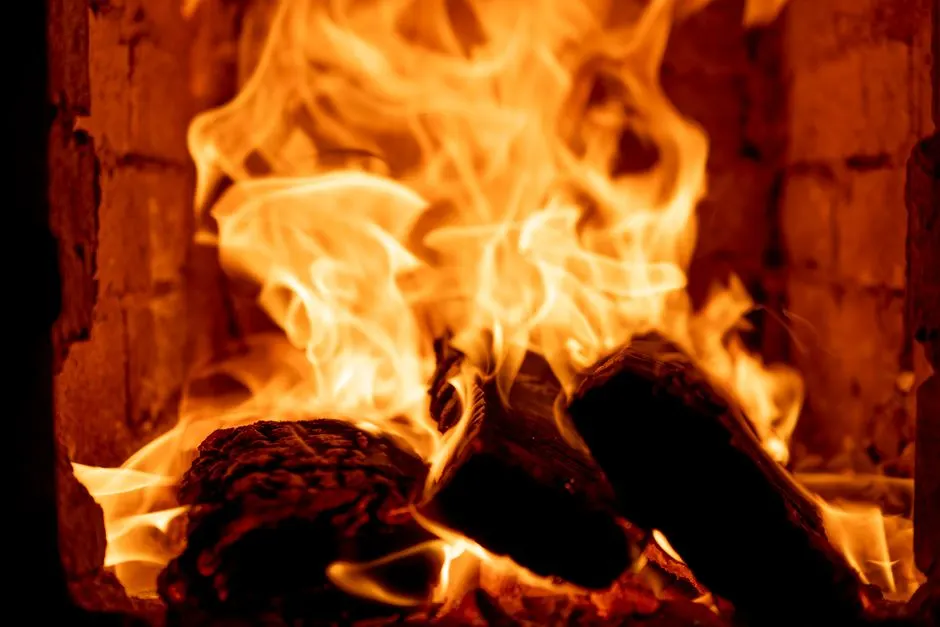
A close-up shot of vibrant flames enveloping firewood in a brick fireplace.
Repair approach
Repair approach

What We Check on East Ward Calls

Diagnosis Before Parts

East Ward no-heat visits often begin with a simple symptom: the blower runs but air stays cool, the furnace starts and stops, or the thermostat calls without a response. We follow the sequence from controls to ignition and airflow, checking only the components that fit the evidence. A combustion analyzer can help assess combustion on applicable gas systems, while a clamp meter can measure current draw during a suspected motor problem. We do not claim a local job count or a fixed success rate. Instead, we show you what we found, what the repair addresses, and how the furnace performs afterward. For East Ward heating repair, the useful result is a complete cycle with stable ignition, proper airflow, and controls responding as expected. You get a clear explanation before deciding how to proceed.

1
Focused diagnosis

East Ward FAQs

How much does furnace repair cost in East Ward?

A diagnostic visit in East Ward is commonly about $89-$160, while many standard repairs run $180-$450 in 2026. The final amount depends on the failed part, labor, equipment access, and whether service is after hours. A motor or control-board repair can cost more. We identify the fault and explain the price before starting work.

Who provides emergency furnace repair in East Ward?

Heating and cooling Masters provides emergency furnace repair near East Ward for urgent heating failures, including no-heat calls in Ironbound homes and multifamily properties. Call with your address, furnace location, and symptoms so we can prepare for the visit. If you smell gas, leave the building and contact the gas utility or emergency services first.

Is there a furnace repair technician near me in East Ward NJ?

Yes, our team serves East Ward and the 07105 area as part of Newark, New Jersey. We work in Ironbound, North Ironbound, South Ironbound, and East Ferry, including older attached homes and multifamily buildings. Tell us which room is cold, whether the blower runs, and where the furnace is located so we can focus the inspection.

Credentials and safety

Licensed Work and Safety Checks

We handle East Ward heating work with attention to licensing, fuel safety, and the requirements that apply to the equipment being serviced. Our technicians follow applicable New Jersey HVACR rules and fuel-gas codes, and we use appropriate diagnostic methods before changing parts. EPA Section 608 certification applies to work involving regulated refrigerants, while NATE certification reflects technician testing in HVAC knowledge. We do not treat a credential as a substitute for checking your furnace: the equipment, symptoms, venting, and building access all matter. Ask us about the credential relevant to your repair when you call.

New Jersey HVACR contractor license
New Jersey electrical contractor license for applicable electrical work
EPA Section 608 certification United States Environmental Protection Agency
When To Call

When to Call for Furnace Repair

Call for Furnace Repair in East Ward when the furnace stops producing heat, repeatedly shuts off, or behaves differently from its usual cycle. In older attached homes, one cold room may point to duct or airflow trouble, while a whole-home temperature drop suggests a control, ignition, or equipment fault. If you need same-day heating repair in East Ward, tell us when the problem began, whether the blower runs, and what the thermostat displays. Those details help us focus the first inspection.

1. Furnace starts and stops every few minutes

Repeated short cycles can result from restricted airflow, a control problem, or overheating. A clogged filter is a simple cause, but continued cycling can strain components and leave rooms cold. Check whether the filter is visibly blocked and arrange service if replacing it does not restore a normal heating cycle.

2. Thermostat calls, but burners never light

The thermostat may be communicating correctly while the ignition sequence fails. A failed hot-surface igniter, dirty flame sensor, or control issue can stop the furnace from producing heat. Do not repeatedly reset the unit; note any blinking code and arrange a diagnosis.

3. Pilot light goes out again after relighting

A recurring pilot outage can signal a thermocouple, draft, or gas-control problem. Repeated relighting will not correct the cause and can create a safety concern. If you smell gas, leave the building and call the gas utility or emergency services before contacting us.

4. Blower runs but rooms stay cold

A running blower with weak or cool air can point to a heating failure, restricted airflow, or a control issue. In East Ward homes with several floors, compare airflow at multiple registers and tell us which rooms are affected. We check the furnace and accessible ducts together.

5. New rattling, scraping, or hot electrical odor

A loose panel, failing motor, or electrical fault can create new sounds or smells. Turn the system off if you notice a burning electrical odor, smoke, or repeated breaker trips. A technician should inspect the equipment before you restart it, especially if the sound is worsening.

Local Problem Patterns

Common East Ward Furnace Problems

East Ward's cold winters put long hours on furnaces, while older attached homes and multifamily properties can have compact equipment spaces and varied duct layouts. A filter that looks only slightly dirty can restrict a small system enough to affect airflow, especially during continuous winter use. Furnace Repair East Ward NJ visits often involve ignition faults, short cycling, uneven room temperatures, or aging controls. We test the system and the symptoms together so a vent, filter, or thermostat problem is not mistaken for a major equipment failure.

Logo

Restricted airflow causing overheating and repeated short cycles

Why it happens here

Furnaces run longer during cold weather, and a clogged filter or blocked return can reduce airflow. In compact East Ward homes, furniture, stored items, or a poorly maintained filter can narrow the path further. The system may shut down on a safety limit before the home reaches its thermostat setting.

Our approach

We inspect the filter, return path, blower operation, and accessible supply ducts. If airflow is restricted, we address the source and observe the furnace through a full cycle. We also explain the correct filter size and a practical monthly check during heavy use.

Logo

Ignition failure from a worn igniter or contaminated flame sensor

Why it happens here

Repeated heating cycles wear ignition parts, and dust can coat a flame sensor until it no longer confirms a stable flame. A furnace may click, attempt startup, then shut down. This pattern is common in systems that have not had the burner area checked before the heating season.

Our approach

We inspect the startup sequence and test the relevant ignition components rather than replacing parts by assumption. We clean a serviceable sensor or replace a failed igniter, then verify repeat starts and flame stability. If the system displays a fault code, we use it as one clue, not the entire diagnosis.

Logo

Blower motor wear leaving upper rooms underheated

Why it happens here

Long winter run times put stress on blower motors and their electrical components. A weakening motor can reduce airflow before it stops entirely, making upper floors or rooms at the ends of duct runs feel colder. The same complaint can also come from closed registers or duct leakage.

Our approach

We measure motor electrical behavior and compare airflow symptoms across the home. A clamp meter helps assess current draw when appropriate, and we inspect accessible duct connections. We explain whether the motor, a control, or an airflow restriction is responsible before recommending the repair.

Logo

Condensate drain blockage stopping a high-efficiency furnace

Why it happens here

High-efficiency furnaces produce condensate that must drain correctly. Sludge or debris can obstruct a drain line, triggering a safety switch and shutting down the system. In tight utility areas, a hidden drain route may make a small blockage easy to miss during casual checks.

Our approach

We inspect the drain path and safety switch, clear an accessible obstruction, and check that water flows properly after service. We also look for signs of leakage around the furnace and explain how to spot a recurring backup. If the issue points to a damaged drain or installation problem, we identify the affected section.

Local Pricing

East Ward Furnace Repair Pricing

Typical 2026 pricing for a furnace diagnostic visit in East Ward is about $89-$160, with many straightforward repairs falling between $180 and $450, including common sensor, thermostat, or igniter work. A blower motor, control board, or complex venting repair can reach $450-$1,200 or more, depending on parts and labor. Furnace Repair East Ward costs depend on the fault, equipment type, time needed, and access to the unit. We explain the price before starting the repair. Emergency timing, discontinued parts, and shared-building access can change the total. Installation is quoted separately according to equipment size, venting, condensate routing, and site conditions.

Availability in East Ward: We take East Ward heating calls throughout the cold season and offer around-the-clock phone support for urgent furnace problems. For a no-heat call, tell us the address, unit access, system type, and any warning code you see. We serve 07105 and nearby Newark ZIP codes, including 07102 and 07103. Arrival timing depends on the day's schedule and the conditions you describe, and we will give you a practical service window when arranging the visit.

1

Fault and replacement part

A sensor or igniter replacement is usually less involved than a blower motor or control board repair. Part availability and the time required to test the system affect the final price. We identify the failed component first, then explain the repair cost before proceeding.

2

Equipment access and layout

A furnace in an open utility area is simpler to reach than one behind narrow basement stairs or inside a crowded closet. Older East Ward properties may require extra time to protect the work area, move tools, and safely access venting or electrical connections.

3

Urgency and timing

A no-heat call during a winter evening can require a different appointment window than planned maintenance. After-hours service and difficult-to-source parts can affect cost. Tell us when the heat failed and whether vulnerable occupants are in the home so we can prioritize the situation.

Year-Round Coverage

East Ward Furnace Needs Through the Seasons

November begins the stretch when East Ward furnaces face longer run times and cold nights make a small fault harder to ignore. Winter demand brings no-heat calls; spring is the time to note unusual sounds before they fade from memory. Summer offers room to schedule inspection or replacement planning, while fall is the best time to test ignition and airflow before the first cold snap. If you are arranging affordable furnace service in East Ward, early attention to a minor symptom can prevent an urgent winter breakdown.

Spring

As heating use tapers off, a furnace may reveal problems through lingering odors, noisy shutdowns, or a filter clogged by winter use. East Ward homes that had uneven heat should not ignore it; the same airflow issue may return as soon as cold weather resumes.

Tip

Write down any winter faults while they are fresh, then schedule maintenance after the final cold spell. Replace a dirty filter and keep the furnace area clear so the next inspection can reach the equipment.

Summer

Furnaces sit idle for much of summer, which can make a failed igniter or thermostat harder to notice until heating demand returns. This is also a practical time to plan a replacement in a compact utility area and consider venting or condensate routing before winter schedules fill.

Tip

Test the thermostat and furnace briefly before the first cold night, and book maintenance if the unit hesitates. Keep stored items away from the appliance and preserve access to its service panels.

Fall

Fall is when the first sustained heating cycles expose weak ignition, a dirty flame sensor, or a blower that struggles. In East Ward, a working furnace can still have a hidden issue that appears only after repeated starts. A pre-season check helps catch faults before cold weather tightens schedules.

Tip

Run the furnace before temperatures drop, check the filter, and listen for changes in startup or shutdown. Arrange service if the unit cycles repeatedly, smells unusual, or fails to heat every room.

Winter

Winter brings the highest heating demand, and a furnace fault can cool an attached East Ward home quickly. Cold nights increase runtime, making restricted airflow, weak ignition, and failing motors more obvious. A no-heat condition or gas odor needs prompt attention.

Tip

Keep the return grille clear and check the filter monthly during heavy use. If the furnace stops, note the thermostat display and error light; if you smell gas, leave and call the utility or emergency services.

Hiring Smart

Questions to Ask Before Hiring

Choose an East Ward heating contractor who can explain the diagnosis, work safely around fuel and electrical components, and account for your building's access. Ask how the technician will test the reported symptom, not simply which part they plan to replace. A strong answer should connect the symptom to a check and a test after the repair. You should also know who handles permits or code-related work when a repair becomes an installation or fuel-system change.

  1. 1

    "What will you test before recommending a furnace part?"

    Why it matters

    A sound answer names checks linked to your symptom, such as ignition sequence, airflow, control response, or motor operation. That approach reduces guesswork and helps you understand why a component failed. Be wary of a firm diagnosis made without inspecting the furnace or asking what it has been doing.

  2. 2

    "Are you licensed to perform HVACR work in New Jersey?"

    Why it matters

    New Jersey HVACR work requires appropriate licensing, and gas-related repairs also need safe handling practices. Ask who will perform the work and whether the job falls within their credential. A qualified contractor should answer directly and explain how code requirements apply to your specific repair.

  3. 3

    "How will you protect the shared entrance and utility area?"

    Why it matters

    Many East Ward homes and multifamily properties have narrow stairs or shared service rooms. The answer should address access, keeping the route clear, and returning panels or doors to their proper position. Good planning protects your household and helps the technician complete the inspection safely.

  4. 4

    "Will you test the furnace after the repair?"

    Why it matters

    A completed part replacement is not proof that the system now heats correctly. The contractor should describe a post-repair operating check, such as repeated ignition, a full heating cycle, or confirmation of airflow and control response. You should understand what was verified before the visit ends.

  5. 5

    "What will the repair cost before you start?"

    Why it matters

    A clear price discussion helps you decide whether to proceed and compare repair with replacement when a major component has failed. Ask what diagnostic or labor charges apply and how the quoted work addresses the fault. A straightforward contractor explains the amount without burying it in technical language.

Knowing the Area

East Ward Landmarks Help Us Navigate

We use familiar East Ward landmarks to orient visits, then confirm your exact address and entrance before setting out. Newark Penn Station helps identify the approach into the ward, while Ferry Street is a practical reference for homes and buildings in the Ironbound. Riverfront Park provides another recognizable point when discussing access from nearby blocks. These references help us understand where you are; your street address, unit, and best entry remain the details that get us to the furnace.

Landmarks

  • Newark Penn Station

    Newark Penn Station is a recognizable orientation point for East Ward trips. If you describe your location relative to the station, we can clarify the route and confirm the correct street entrance before bringing tools inside.

  • Riverfront Park

    Riverfront Park gives customers a familiar reference when explaining which part of East Ward they are in. The precise address still guides the visit, especially where a building has a rear entrance or shared access.

  • Independence Park

    Independence Park helps distinguish nearby residential blocks during booking. Tell us whether the furnace is in a basement, apartment utility room, or another part of the property so we can plan the service around the actual equipment.

Commercial Districts

  • Ferry Street

    Ferry Street combines busy storefront activity with nearby residences. Heating calls may involve a home above street-level space or a tight rear entrance, so we confirm which door serves the furnace and whether the system heats more than one area.

  • Ironbound neighborhood business blocks

    Small businesses and homes share dense Ironbound blocks. A furnace serving an occupied residence needs a repair plan that accounts for customer access, operating hours, and the building's utility layout without interrupting more space than necessary.

Transport & Access

  • Newark Penn Station

    The station is a useful route reference for East Ward appointments. We confirm the destination street and entrance because nearby blocks can have different parking and loading conditions.

  • Ferry Street transit corridor

    Ferry Street provides a familiar corridor through the Ironbound. Tell us the closest cross-street and whether curb access or a rear entry is best for carrying tools.

Service Area

Furnace Repair Coverage Across East Ward & Essex County

Routine and same-week appointments for residents and businesses across Essex County, including the ZIP codes below.

071030710207105071040710707106071080711207114071010717507188071910719207193071950719807199
!

Call for Furnace Repair in East Ward Today

If your furnace has stopped, keeps restarting, or cannot warm your East Ward home, call Heating and cooling Masters and tell us what you are seeing. We serve 07105 and the Ironbound neighborhoods, with licensed HVACR work and a clear repair price before work begins. Our team will help you take the next step toward dependable heat; if you smell gas, leave first and call the gas utility or emergency services.

Call for service
Call Now: 1244567755