Logo
Central Ward service

Furnace Repair in Central Ward, Done Right

Furnace Repair in Central Ward means getting your heat back without guesswork, whether you live near Downtown Newark or manage a mixed-use building by South Broad Street. Our team checks the furnace, airflow, controls, and venting, then explains the repair before work begins. We serve customers across ZIP codes 07102 and 07103, with practical scheduling for apartments and commercial spaces where equipment access takes planning.

24/7
Phone support
07102+
Service ZIP codes
Heat checks now
Winter focus

Central Ward overview

Furnace Repair in Central Ward

Why we serve here

Central Ward needs responsive heating service because apartment buildings, storefronts, offices, and older residences do not share one standard setup. A furnace in a compact utility closet has different access needs from equipment in a basement mechanical room, and mixed-use properties may require careful scheduling and equipment access. Cold winter conditions increase demand for timely furnace service, particularly when a building's heat serves several occupied spaces. We serve this part of Newark because local work calls for practical familiarity with varied layouts, building access, and busy streets around major destinations. We plan the visit around the equipment location, confirm safe access with you, and keep the repair focused. If your building has a legacy control or a duct layout changed over time, we trace how the system actually operates before recommending a fix.

Heat restored for Central Ward homes and businesses

Furnace Repair in Central Ward is a heating service that diagnoses and corrects furnace faults when a home or business loses heat, cycles poorly, or shows unsafe operation. Heating and cooling Masters works across Central Ward, including Downtown Newark, University Heights, Lincoln Park, and South Broad Street, where high-density apartments and commercial buildings create varied heating needs. We handle Central Ward Furnace Repair for gas and electric systems, from ignition problems to airflow faults, and coordinate access with building staff when equipment is in a shared mechanical room. Older buildings may have legacy heating equipment and duct layouts that need careful inspection rather than a quick parts swap. Our technicians use a multimeter and combustion analyzer to check electrical performance and combustion conditions, then explain what the readings mean in plain language. We work on common brands including Carrier, Trane, Lennox, Rheem, Goodman, Bryant, York, and Mitsubishi Electric systems. The right repair starts with the actual fault, not an assumption based on the furnace's age or brand. Customers in ZIP codes 07102 and 07103 call us for a no-heat visit, a recurring shutdown, or a furnace that cannot keep rooms comfortable. We check the thermostat, safety controls, burner sequence, filter condition, and venting, then test operation after repairs. You get a clear explanation of the work and upfront pricing before we proceed.
Heating services

Central Ward Furnace Repair Services

Central Ward heating demand reflects dense occupancy, changing building layouts, and cold winter conditions that put furnaces through long operating cycles. We repair gas, electric, and oil equipment, troubleshoot ignition and thermostat faults, and inspect ductwork when rooms heat unevenly. If your system stops during a cold snap, ask about same-day heating repair in Central Ward; we prioritize the immediate symptoms and verify safe operation after the fix. Our team also handles planned maintenance and high-efficiency replacements, with scheduling suited to occupied apartments and commercial properties.

How we work locally

How Central Ward Heating Repairs Work

Challenge: Shared mechanical rooms require coordination with building staff and tenants

A furnace serving several apartments may sit behind controlled doors or in a room with limited access hours. Delayed entry can extend a no-heat problem, and work near occupied units needs clear communication about the equipment being tested.

Response: We ask who can provide access and whether the furnace serves one unit or multiple spaces before scheduling. On arrival, we confirm the equipment location and keep the work area orderly. We communicate when testing requires the system to cycle, then verify heat delivery before leaving.

Challenge: Older buildings may have legacy heating equipment and unusual duct layouts

Older systems can include adapted controls, tight clearances, and duct runs altered during renovations. A symptom such as weak heat in one room may come from distribution rather than the furnace itself, so a parts-only diagnosis can miss the cause.

Response: We inspect the whole heating path that relates to your complaint, including the furnace, filter, accessible duct connections, thermostat, and venting. We use an inspection mirror where visibility is limited and explain which finding supports the repair. That approach helps avoid replacing a sound component.

Areas we serve

Downtown NewarkUniversity HeightsLincoln ParkSouth Broad StreetEssex County Courthouse areaNewark Penn Station area

Central Ward service area

Central Ward

Latitude: 40.7357

Extract Directions

Local repair examples

Repair example: 1

Downtown Newark

Problem

A Downtown Newark apartment furnace repeatedly stopped before reaching the thermostat setting, leaving the tenant with short bursts of heat and cold rooms.

Work

We checked the thermostat call, filter condition, burner sequence, and flame sensing, then found a dirty flame sensor interrupting operation. We cleaned the sensor, inspected its connection, and ran the furnace through several heating cycles. We also showed the resident how a restricted filter can contribute to overheating and repeated shutdowns.

Result

The furnace completed three consecutive heating cycles during the visit, and the thermostat call stayed active until the set temperature was reached. The resident had steady heat across the apartment before we finished.

Repair example: 2

South Broad Street

Problem

A small commercial property near South Broad Street had a furnace that ran continuously while the back rooms stayed cold, despite a recent thermostat adjustment.

Work

We tested the thermostat and blower operation, then inspected accessible duct connections and registers. The issue was restricted airflow from a heavily loaded filter and a loose duct connection serving the rear rooms. We corrected the connection, replaced the filter with the correctly sized type, and checked room temperatures after the furnace ran.

Result

Airflow improved at the rear registers, and the measured room temperature rose by 6 degrees during the follow-up heating cycle. The owner received a clear maintenance interval for checking the filter.

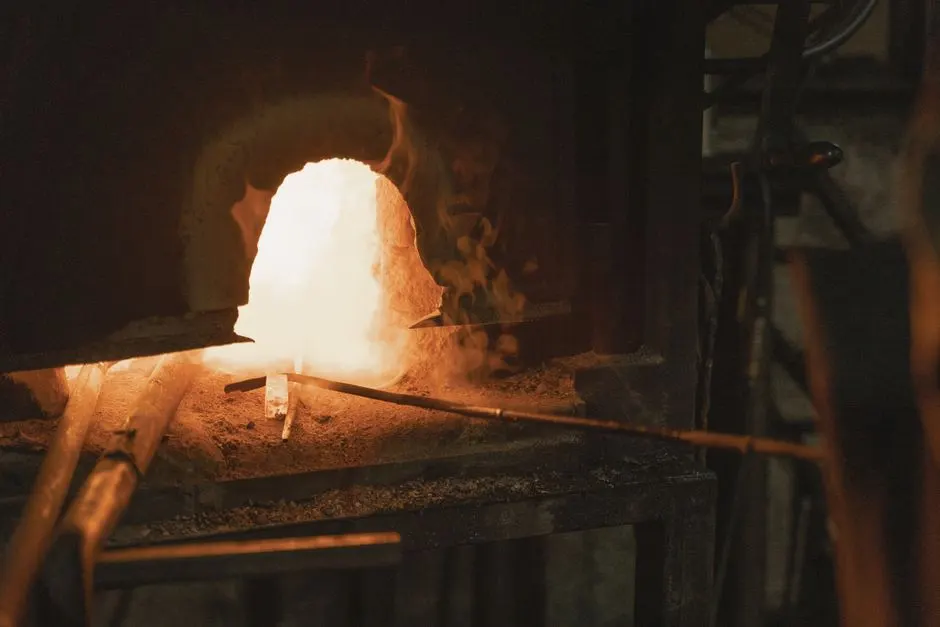
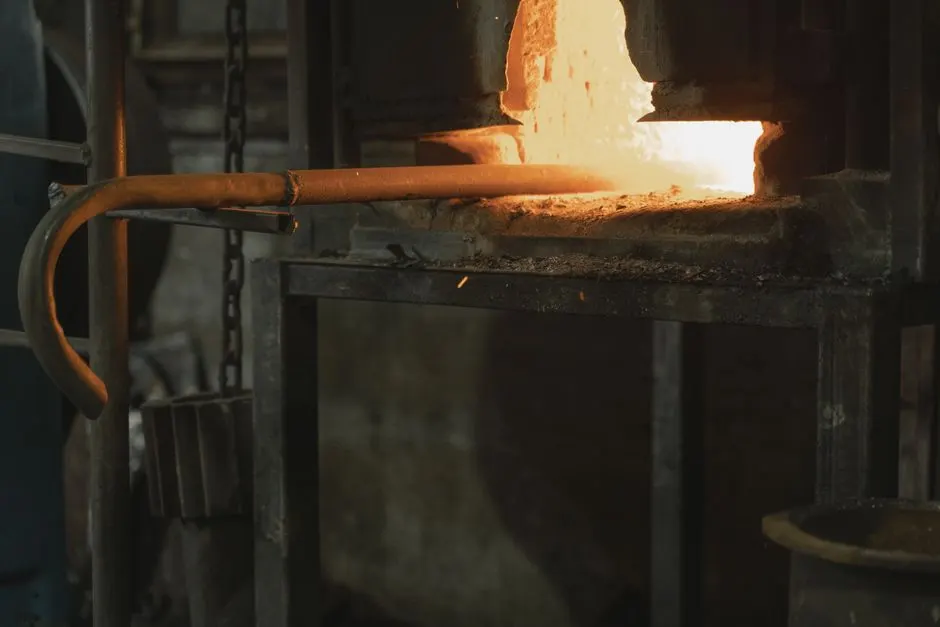
Close-up of metal being heated in a blacksmith forge, showcasing industrial craftsmanship.
What we check
What we check

Local Repair Work, Clearly Explained

From symptom to verified heat

Central Ward calls often begin with a familiar pattern: the furnace starts, stops before the rooms warm, or refuses to ignite after a thermostat adjustment. We trace the sequence rather than guessing. A combustion analyzer helps assess gas operation, while a clamp meter checks electrical draw when a motor or control is in question. We also inspect the filter, flame sensor, igniter, and accessible venting. For Central Ward Furnace Repair, we finish by running the system through a heating cycle and checking that the reported rooms receive heat. Our approach is useful in University Heights apartments and older properties where duct layout can complicate the symptom. We explain the failed part, the repair completed, and any maintenance issue that could cause a repeat problem. We do not publish invented job totals or review statistics; each recommendation is based on what we find at your equipment.

1
verified heat cycle

Local questions

How much does furnace repair cost in Central Ward?

Most Central Ward repairs cost about $180-$450 for diagnosis and a minor fix, while complex component repairs can range from $450-$1,200 or more. Typical 2026 pricing depends on the failed part, furnace type, urgency, and access to the equipment. We test the system, explain the confirmed problem, and give upfront pricing before starting. A gas valve or blower motor repair generally costs more than cleaning a sensor or replacing an igniter.

Who provides emergency furnace repair in Central Ward?

Heating and cooling Masters provides emergency furnace repair for Central Ward homes and businesses, including no-heat calls during cold weather. We ask about your furnace type, symptoms, address, and building access so the visit can focus on the fault. For urgent conditions such as a gas odor, leave the building and contact emergency services from a safe place before arranging a repair. We also handle 24/7 furnace repair in Central Ward NJ.

Is there a furnace repair technician near me in Central Ward NJ?

Heating and cooling Masters serves Central Ward, including properties in ZIP codes 07102 and 07103. Our technicians work on gas, electric, and oil furnaces and coordinate access for apartments, commercial spaces, and shared mechanical rooms. Tell us what the furnace is doing and where the equipment is located; that helps us bring suitable diagnostic tools and plan the visit around your building.

Credentials and care

Licensed Heating Service

Heating and cooling Masters serves Central Ward in Newark, New Jersey, and works with the requirements relevant to heating and fuel-gas service in Essex County. Our team follows applicable International Fuel Gas Code and NFPA 54 provisions when working on gas-fired equipment, and we test operation after a repair. Ask us about the technician assigned to your visit and the credentials applicable to the work. We use appropriate diagnostic instruments, explain the repair, and keep the work area orderly in occupied apartments and commercial buildings. Our service covers ZIP codes 07102, 07103, and other Newark areas.

New Jersey HVACR contractor license
New Jersey home improvement contractor registration
NATE certification North American Technician Excellence
When To Call

When to Call for Furnace Repair

Call for Furnace Repair in Central Ward when the furnace stops producing heat, repeatedly shuts down, or gives off unusual odors or sounds. A thermostat set above room temperature should produce a clear heating cycle; if the system does not respond, the issue may involve controls, ignition, or power. In older buildings, cold rooms can also point to restricted airflow or altered ductwork. If you smell gas, leave the area and contact the appropriate emergency service before using electrical switches. For a routine failure, arrange furnace service before repeated resets worsen the problem.

1. Furnace starts, then stops within minutes

Short cycling can result from restricted airflow, overheating, a faulty thermostat, or a safety control opening. Repeated starts put extra wear on the system and leave Central Ward rooms unevenly heated. Turn the thermostat to a normal setting and arrange diagnosis rather than repeatedly cycling the power.

2. Clicking continues but burners never light

Repeated clicking with no flame points to furnace ignition failure, such as a failed hot-surface igniter, a control fault, or a fuel-supply issue. Stop repeated reset attempts. A technician can test the ignition sequence and confirm the furnace is safe to operate before returning it to service.

3. Pilot light goes out again and again

Pilot light outages can be linked to a thermocouple, draft, gas supply, or venting problem. A pilot that will not stay lit is not solved by relighting it repeatedly. Arrange service so the cause is checked and the appliance's safe operation is verified.

4. Some rooms stay cold while furnace runs

Uneven heating can come from restricted airflow, a failing blower motor, closed or blocked registers, or duct leakage. In Central Ward multi-floor properties, the furnace may run normally while heat fails to reach the rooms you use. A system and accessible-duct check identifies where delivery is being lost.

5. Burning smell or unusual metallic noise

A brief dusty smell at first seasonal startup can clear, but a persistent burning odor, scraping, or banging needs prompt attention. A failing motor, loose component, or electrical issue can worsen if the furnace keeps running. Shut it off if the odor is strong or you see smoke, then call for help.

Local Problem Patterns

Common Central Ward Furnace Problems

Older buildings may have legacy heating equipment and duct layouts, while dense apartment and commercial properties put furnaces through varied schedules. Central Ward's cold winter conditions make ignition and airflow faults especially noticeable when a system runs for long periods. A dirty filter can restrict heat movement; a neglected sensor can interrupt a burner cycle. We diagnose the equipment and the conditions around it, then recommend a repair tied to what testing confirms. Central Ward Furnace Repair should account for the furnace, controls, venting, and the spaces it serves rather than treating every no-heat call alike.

Logo

Furnace short cycling after restricted airflow or overheating

Why it happens here

A loaded filter, blocked return, or obstructed supply can reduce airflow and raise internal temperatures. In an apartment with continuous winter operation, the furnace may shut itself down repeatedly to protect components. A thermostat issue can produce similar symptoms, so the cause needs testing.

Our approach

We inspect the filter and accessible airflow path, check the blower and thermostat response, and observe a complete heating cycle. If the equipment is overheating, we look for the restriction before resetting controls. We explain what caused the cycling and verify that the furnace stays on normally.

Logo

Pilot light outages or repeated furnace ignition failure

Why it happens here

Older gas equipment can have worn ignition parts, weak flame sensing, or venting conditions that interrupt safe operation. Cold-weather demand makes a marginal component fail more often because the furnace starts and runs more frequently. Repeated relighting does not identify the underlying fault.

Our approach

We test the igniter or pilot assembly, thermocouple or flame sensor, electrical controls, and relevant gas and vent conditions. After replacing or cleaning a confirmed failed part, we observe the start sequence more than once. We do not treat a successful single ignition as proof of a stable repair.

Logo

Blower motor failure leaving rooms without warm air

Why it happens here

A worn blower motor, electrical fault, or restricted airflow can prevent heated air from reaching rooms even when the burner starts. Multi-floor duct layouts and changes made during renovations can make the symptom look like a furnace failure when distribution is also involved.

Our approach

We check motor operation and electrical draw with appropriate test equipment, then inspect accessible ducts and registers. We identify whether the motor, control, or airflow path is responsible and explain the repair. Afterward, we confirm the blower runs and check delivery at the affected areas.

Logo

Faulty thermostat causing uneven heat or constant calls

Why it happens here

A thermostat can lose power, have loose wiring, or read temperature poorly when placed near drafts or heat sources. In mixed-use buildings, one control may not reflect conditions across every room. That mismatch can cause long run times, short cycles, or a cold area despite furnace operation.

Our approach

We compare the thermostat reading with room conditions, inspect its settings and wiring, and verify the furnace responds to a heat call. If the control is faulty, we explain replacement or correction options. We then run the system and confirm the call ends when the set temperature is reached.

Local Pricing

Furnace Repair Pricing in Central Ward

Typical 2026 pricing for Central Ward furnace repairs depends on the failed part, system type, and access to the equipment. A straightforward diagnostic and minor repair often falls around $180-$450; repairs involving a blower motor, gas valve, or difficult-to-reach component can run $450-$1,200 or more. We provide upfront pricing before work begins. Central Ward heating repair costs also reflect whether the problem involves one furnace or a system serving multiple occupied spaces. A no-heat visit may require more testing than a planned maintenance appointment, and after-hours service can affect the service charge. We explain the diagnosis, repair options, and expected work before proceeding, so you can decide based on the condition of your equipment rather than an arbitrary replacement recommendation.

Availability in Central Ward: We take Central Ward service calls throughout the heating season and offer emergency support for urgent no-heat problems. Cold-weather demand rises in November and through winter, so share your address, building access details, furnace fuel type, and current symptoms when you call. We prioritize safety concerns and loss of heat, then schedule planned maintenance around residential and business hours.

1

Failed part and availability

A sensor or igniter usually costs less to replace than a blower motor or gas valve. The exact part depends on your furnace model and the failure confirmed during testing. We identify the component first, then price the repair according to the actual equipment and required work.

2

Access and building layout

A furnace in an open utility area is quicker to inspect than equipment behind a locked shared room or in a tight closet. Central Ward apartments and mixed-use properties sometimes require coordination with building staff. Additional access time can increase labor, especially when the system serves several spaces.

3

Urgency and system condition

A furnace that has stopped completely in cold weather needs faster attention than a planned check, and after-hours service can carry a different charge. If several worn parts or venting concerns appear during diagnosis, we explain the separate repair needs and their effect on the total before starting.

Year-Round Coverage

Central Ward Furnace Service by Season

In November, Central Ward enters the period when furnaces run longer and small faults become urgent. Cold winter conditions increase demand for timely furnace service, especially in apartments where one system may serve several rooms. We help restore heat during winter, then use spring and summer for repairs and maintenance that are easier to schedule. Fall is the best time to test ignition, filters, controls, and airflow before sustained cold arrives. If you need 24/7 furnace repair in Central Ward NJ, contact us with the system symptoms and building access details.

Spring

As heating use eases, a furnace may reveal issues that went unnoticed during a cold stretch, such as noisy blower operation or a weak ignition cycle. Repairs can be planned before the next heating season, and the filter and accessible vents deserve attention after months of use.

Tip

Note any shutdowns, odors, or cold rooms from winter and share them during a maintenance visit. A written symptom history helps us reproduce an intermittent issue while the system is still accessible.

Summer

Furnaces often sit idle through the warmest weeks, so a control, igniter, or thermostat problem may not appear until the first call for heat. Summer is also a practical time to assess older equipment or duct problems without an active no-heat emergency.

Tip

Schedule a heating-system check before fall demand rises. Keep the equipment area clear and confirm that the thermostat can call for heat when testing is arranged.

Fall

Fall is the transition into heavy heating use. Dust on burners or a weak sensor can cause startup failure, while a clogged filter can restrict airflow from the first long run. Older Central Ward systems benefit from a full operational check before the first sustained cold spell.

Tip

Test heat early in the season and replace a dirty filter with the correct size. If the furnace short cycles or fails to ignite, arrange repair before overnight temperatures drop.

Winter

Winter brings the highest pressure on Central Ward heating systems. Long run times expose worn motors, ignition parts, and airflow restrictions; a failed furnace can quickly affect multiple occupants in a dense building. No-heat calls and safety concerns need prompt attention.

Tip

Keep the thermostat at a steady setting, maintain clear supply and return vents, and call if the furnace repeatedly stops. If you smell gas, leave the area and contact emergency services from a safe location.

Hiring Smart

Questions to Ask Before Hiring

A strong Central Ward heating contractor can explain the diagnosis, work safely around your building, and verify the repair before leaving. Ask how the technician will test the furnace, whether the company holds the required New Jersey HVACR contractor license, and how it handles access in apartments or commercial properties. A clear answer should name the checks involved, not promise a fix before anyone has seen the equipment. You should also understand the price before work starts and know whether the technician will test the heating cycle afterward.

  1. 1

    "How will you confirm what caused my furnace to stop?"

    Why it matters

    A useful answer describes checks such as thermostat response, ignition sequence, airflow, electrical readings, or venting, depending on your symptoms. If a contractor names a part before inspecting the unit, the diagnosis may be guesswork. In an older Central Ward building, ask whether they will consider duct and access conditions too.

  2. 2

    "Are you licensed for HVACR work in New Jersey?"

    Why it matters

    A New Jersey HVACR contractor license is relevant to heating work and helps establish that the company is authorized to perform regulated HVACR services. Ask who will complete the repair and whether the work will follow applicable fuel-gas and safety requirements for your equipment.

  3. 3

    "Will you test the furnace after replacing a part?"

    Why it matters

    A repair is not complete just because a component has been installed. The technician should run the furnace through its operating sequence and confirm the original symptom is resolved. For a cycling or ignition fault, ask whether the system will be observed through more than one start.

  4. 4

    "Can you work with our building's access rules?"

    Why it matters

    Central Ward apartments and mixed-use buildings may require staff approval, scheduled entry, or access to a shared mechanical room. A contractor who asks about these details can plan the visit more effectively and avoid delays that leave occupants without heat.

  5. 5

    "Will you explain the price before starting the repair?"

    Why it matters

    You should understand the charge for diagnosis and the proposed repair before work begins. A clear explanation separates the confirmed fault from optional recommendations and gives you the information needed to choose. It also helps avoid confusion when a property has multiple furnaces or affected spaces.

Knowing the Area

Central Ward Landmarks and Access

We use familiar Central Ward landmarks to orient service visits, but your building's address and entrance instructions determine the final approach. Newark Penn Station and the Prudential Center help identify busy blocks where loading and parking need attention. The New Jersey Performing Arts Center is another useful reference when coordinating access near commercial and residential buildings. Tell us whether the furnace is in a basement, shared room, or upper-floor utility area so we can plan the route from the entrance to the equipment.

Landmarks

  • Newark Penn Station

    The station is a useful reference for Central Ward visits near dense residential and commercial buildings. We confirm the exact property entrance with you because access to a basement or shared mechanical room can matter more than the landmark's distance.

  • Prudential Center

    Around the Prudential Center, building activity and event schedules can affect curbside access. We coordinate the service entrance and equipment route with you, then keep furnace testing focused on the reported issue and the occupied spaces it serves.

  • New Jersey Performing Arts Center

    The New Jersey Performing Arts Center helps orient visits to nearby mixed-use blocks. For furnace work, we confirm whether a property has a loading area, controlled entry, or shared equipment room before beginning diagnosis.

Commercial Districts

  • Downtown Newark business blocks

    Offices, restaurants, and retail spaces need dependable heating without avoidable interruptions. We arrange access around operating hours where possible and check that furnace operation is stable after the repair, especially when the system serves customer-facing rooms.

  • South Broad Street corridor

    Mixed storefront and residential use creates varied heating schedules along South Broad Street. A furnace may serve a business below and living space above, so we confirm which areas are affected and test the system with that layout in mind.

Transport & Access

  • Newark Penn Station

    The station is a major local orientation point; property access, building entry rules, and equipment location determine the final route for a service visit.

  • New Jersey Performing Arts Center area

    Nearby streets can be busy during events. We use the property's entrance and loading instructions to plan practical access to the furnace.

Service Area

Furnace Repair Coverage Across Central Ward & Essex County

Routine and same-week appointments for residents and businesses across Essex County, including the ZIP codes below.

071030710207105071040710707106071080711207114071010717507188071910719207193071950719807199
!

Need Furnace Repair in Central Ward Now?

If your furnace has stopped, is short cycling, or cannot keep your Central Ward rooms warm, call Heating and cooling Masters at 1244567755. We serve homes and businesses across Central Ward and Essex County, including buildings near Newark Penn Station, Lincoln Park, and South Broad Street. Our licensed HVACR service focuses on a clear diagnosis, upfront pricing, and a post-repair operating check. Tell us what you hear, smell, or see, and we will help you arrange the next step.

Call for repair
Call Now: 1244567755