Logo
Local heating service

Furnace Repair in Newark Airport for Cold Starts

Furnace Repair in Newark Airport keeps your building warm when a cold snap exposes an ignition fault, airflow restriction, or worn motor. We work around Newark Liberty International Airport, Port Newark, and the Dayton neighborhood, where access windows and commercial equipment differ from a typical home visit. Our team checks the fault, explains the repair, and tests the system before leaving. Call us for Furnace Repair Newark Airport NJ support across ZIP 07114.

Direct
Phone support
07114
Service ZIP
Cold-weather heat
Winter focus

About this area

Furnace Repair in Newark Airport, Built Around Local Buildings

Why we work here

Newark Airport has heating needs that do not follow a residential-only pattern. Terminal-area support spaces, logistics buildings, and industrial properties run on varied schedules, while nearby homes still need dependable heat during freezing winter nights. High transport activity and dense infrastructure shape access and scheduling, so we coordinate arrival details with the person responsible for the property and identify loading or equipment-room restrictions before work begins. Cold winter conditions create heating needs in terminals and support facilities, and a failed system can disrupt staff areas, offices, or tenant spaces. We serve this area because the mix of buildings rewards careful diagnosis: a commercial furnace fault needs a different conversation from a thermostat issue in a small home.

Heating help for airport buildings, Dayton, and nearby homes

Furnace Repair in Newark Airport is a heating repair service that restores safe, dependable furnace operation when a system stops heating, cycles improperly, or shows a combustion fault. We serve homes and work buildings near Newark Liberty International Airport, Port Newark, and the Airport industrial district, where commercial heating systems can differ substantially from residential furnaces. Our technicians identify the equipment type before choosing a repair approach, then inspect controls, airflow, ignition, and venting. Newark Airport Furnace Repair often involves access planning around active loading areas and building schedules, not simply a quick stop at a house. We ask where the equipment is located, what symptoms you see, and whether the property is occupied around the clock. That lets us bring the right parts and test instruments for your visit. Our service coverage includes Dayton and nearby Newark addresses in Essex County, with ZIP 07114 as a central local reference. We explain the fault in plain language and focus on getting the heat back without overlooking safe operation.
Heating services

Furnace Repair Services Across Newark Airport

Heating demand near Newark Airport spans homes, terminal support spaces, and logistics properties, so we begin by confirming the furnace type and the building's access requirements. For urgent no-heat calls, 24/7 furnace repair in Newark Airport NJ helps address a system that has stopped during cold conditions; we first check safety, ignition, airflow, and controls. We also repair electric and gas equipment, maintain heating systems, inspect ductwork, and install high-efficiency furnaces where the building and existing infrastructure support the change. You get a clear explanation of the fault and the next practical step.

How local work runs

How We Handle Heating Repair Newark Airport NJ

Challenge: Terminal-area access and active traffic complicate equipment-room arrival

Terminal-area and support buildings have busy roads, controlled entrances, and work areas that stay active through the day. A technician who arrives without a contact or equipment-room directions can lose time before diagnosis begins, especially during winter peaks.

Response: We ask for the building entrance, equipment location, and a site contact before the visit. If a loading or service entrance is used, we plan for that access point and confirm who can escort us where required. This keeps attention on the furnace fault and helps us bring the right diagnostic tools.

Challenge: Commercial heating systems differ substantially from nearby residential furnaces

A larger system can have multiple zones, different controls, and a wider impact when heat fails. A single symptom such as weak airflow might come from a control issue, a blower problem, or duct restrictions, so replacing a familiar household part without testing can miss the cause.

Response: We identify the equipment and affected zones before testing. Our team checks the control sequence, airflow, and electrical readings, then narrows the fault to a component or distribution problem. We explain whether the repair restores the affected area or requires a broader system assessment, so you know the practical outcome.

Local coverage

DaytonNewark Liberty International Airport terminal areaPort NewarkAirport industrial districtNewark Airport Rail Station areaNewark Airport Interchange area

Newark Airport service area

Newark Airport

Latitude: 40.6895

Extract Directions

Repair examples

Typical repair: 1

Dayton

Issue

A Dayton property reported repeated furnace shutdowns during a cold spell, with the thermostat calling for heat but the burners failing to remain on.

Repair

We checked the ignition sequence, inspected the flame sensor, and tested the control response rather than repeatedly restarting the furnace. After cleaning the sensor and confirming it was the cause, we ran several heating cycles and checked that the blower started in sequence. We also reviewed filter condition and airflow with the occupant.

Outcome

The furnace completed three consecutive heating cycles without shutting down during the visit. The customer received a clear explanation of the sensor issue and a reminder to check the filter monthly during heavy winter use.

Typical repair: 2

Port Newark

Issue

A support space near Port Newark had weak heat in occupied rooms even though the furnace was running, pointing to an airflow or distribution fault.

Repair

We compared the reported room temperatures, inspected accessible return and supply paths, and checked blower operation. The visit found a restricted filter and a loose accessible duct connection affecting air delivery. We corrected the connection, replaced the filter with the appropriate size, and tested airflow at the affected registers.

Outcome

Air delivery improved at the affected rooms, and the system completed a 20-minute heating test without a new fault. The property contact received the findings and a practical filter replacement interval based on use.

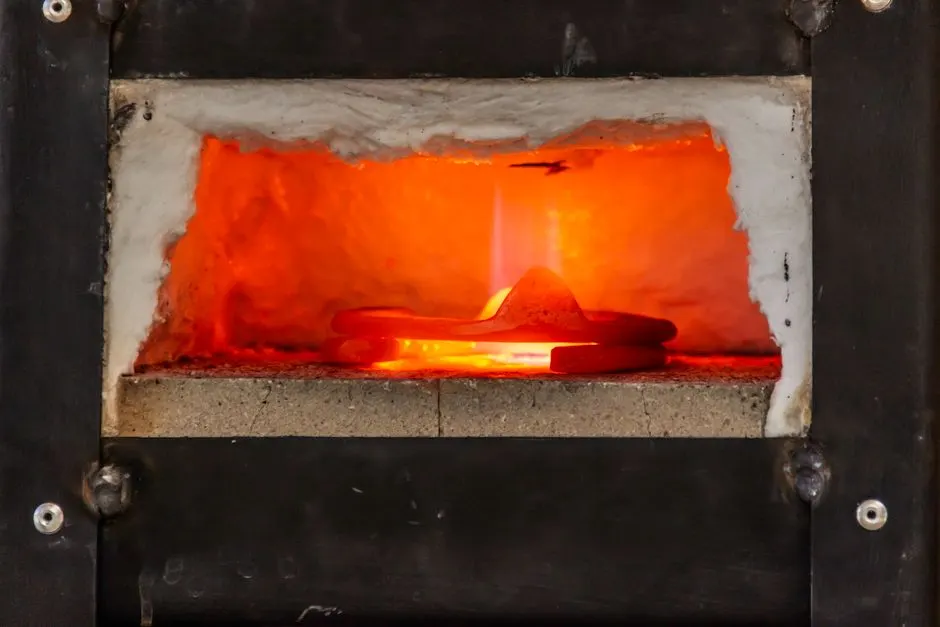
A close-up view of an industrial furnace with glowing metal heated inside, showing intense heat.
How we diagnose
How we diagnose

Repair Details That Matter in Newark Airport

Test, repair, verify

A Newark Airport heating call should end with an identified cause, not a reset that leaves the same fault waiting to return. We inspect the sequence from thermostat demand through ignition and blower operation, then test the components tied to the symptom. A combustion analyzer can help assess gas performance, while a clamp meter checks electrical draw; the exact tools depend on the furnace and complaint. Common findings include a dirty flame sensor, restricted airflow, a failed igniter, or a thermostat that is not sending a proper call. We document what we find in plain language, replace only the part tied to the diagnosis, and run the furnace through a full heating cycle. For Newark Airport Furnace Repair, the useful result is heat restored and a clear explanation of what caused the interruption, not a list of unexplained readings.

Full-cycle
Post-repair test

Local questions

How much does furnace repair cost in Newark Airport?

Most Newark Airport furnace repairs cost about $180-$450 for a diagnostic visit and minor repair, while more involved component work can range from $350-$1,200. The price depends on the failed part, furnace type, access, and timing. We diagnose the cause, explain the repair price before work begins, and test the heating cycle afterward. Major heat-exchanger damage can make replacement a more practical option.

Who provides emergency furnace repair in Newark Airport?

Heating and cooling Masters provides emergency furnace repair near Newark Airport for homes, commercial buildings, and support spaces. Call 1244567755 and tell us whether the heat is fully out, what the thermostat shows, and how to access the equipment. For a gas odor, leave the area and contact the appropriate emergency utility service first. We prioritize safe diagnosis and explain the repair needed to restore heat.

Is there a furnace repair technician near me in Newark Airport NJ?

Yes. Heating and cooling Masters serves Newark Airport, Dayton, Port Newark, and nearby Newark properties in ZIP 07114. We work on gas and electric furnaces, ignition systems, thermostats, airflow, and related components. Share your exact address and building entrance when you call so we can identify the right access point and prepare for the equipment serving your space.

Credentials and safety

Licensed Heating Work and Credentials

Heating and cooling Masters works on Newark Airport heating systems with attention to safe combustion, electrical testing, and applicable New Jersey requirements. Our technicians use appropriate diagnostic equipment and follow relevant fuel-gas standards for the repair being performed. We maintain EPA Section 608 certification for applicable refrigerant work and pursue recognized HVAC credentials. For a gas furnace, we inspect the relevant connections and operating sequence, then test the system after the repair. We serve Newark, NJ, and surrounding Essex County areas, including 07114, 07105, and 07102. We explain the diagnosed problem and price before proceeding.

New Jersey HVACR contractor license
New Jersey home improvement contractor registration
NATE certification North American Technician Excellence
When To Call

When to Call for Newark Airport Furnace Repair

Call for Furnace Repair in Newark Airport when the system fails to start, repeatedly shuts down, or produces heat that cannot keep the occupied space comfortable. A small warning can become a full interruption during a cold Newark winter, particularly in a building that operates beyond standard business hours. If you need same-day heating repair in Newark Airport, tell us whether the furnace is completely off, making unusual sounds, or showing a fault code. Stop using the system and seek urgent help if you smell gas, see soot, or suspect a venting problem. Do not keep resetting a furnace that repeatedly trips.

1. Furnace starts, then shuts off repeatedly

Short cycling can come from restricted airflow, a faulty thermostat, overheating, or a control problem. Repeated starts add wear and may leave a Newark Airport room cold despite constant operation. Check that the filter is not visibly blocked, but arrange diagnosis if the cycle continues after a basic filter check.

2. No ignition after the thermostat calls

A failed hot-surface igniter, pilot light outage, gas supply issue, or control fault can prevent the burners from lighting. If the furnace makes repeated startup attempts without heat, stop resetting it. A technician can test the ignition sequence and identify the failed point safely.

3. Some rooms stay cold while others heat

Uneven heat can point to restricted airflow, a damaged duct connection, a failing blower motor, or a zoning issue. In larger airport-area buildings, one affected zone may not mean the whole furnace has failed. Record which rooms are cold and whether airflow has changed.

4. Burning odor, soot, or unusual furnace noise

A persistent burning smell, visible soot, or scraping and rattling sounds can indicate an electrical, combustion, or mechanical fault. Turn the system off if the smell is strong or the sound is severe, then arrange prompt inspection. Do not ignore a suspected venting or combustion issue.

5. Thermostat reading conflicts with room comfort

A faulty thermostat, poor placement, wiring fault, or sensor problem can cause the furnace to run too long or not start. Compare the displayed setting with the room's actual comfort and note any blank screen or error message. A quick control test can prevent unnecessary component replacement.

Local Problem Patterns

Common Furnace Problems Near Newark Airport

Newark Airport's cold winter conditions put sustained demand on furnaces in homes, terminal support facilities, and logistics buildings. Equipment types and operating hours vary, while dense infrastructure can make venting and service access more complicated than a typical residential visit. Furnace Repair Newark Airport work often starts with airflow, ignition, or control complaints that become obvious during the first long heating run. We check the actual sequence and condition rather than assuming a fault from the symptom alone. Regular filter changes and annual inspection reduce avoidable strain.

Logo

Furnace short cycling during prolonged Newark Airport cold spells

Why it happens here

A blocked filter, restricted return, overheating, or faulty thermostat can make a furnace stop before it completes a heating cycle. During a cold spell, long operating demand exposes a condition that may have gone unnoticed during milder weather.

Our approach

We check filter condition, return airflow, thermostat demand, and limit response before replacing parts. If the blower or control is at fault, we test its operation and run a full cycle after repair to confirm the furnace can sustain heat.

Logo

Pilot light outages or failed hot-surface igniter

Why it happens here

Ignition parts wear with repeated starts, and a dirty flame sensor or fuel-control issue can interrupt burner operation. Systems serving support spaces may cycle frequently as occupancy and zone demand change throughout the day.

Our approach

We test the ignition sequence from the call for heat through flame detection. We inspect the igniter, sensor, wiring, and gas response, then replace a confirmed failed component and verify more than one startup.

Logo

Blower motor failure or restricted airflow in occupied zones

Why it happens here

Dust-loaded filters, obstructed returns, worn motors, and damaged duct connections reduce air movement. In a larger building, the problem can appear as weak heat in one room while the furnace continues to run elsewhere.

Our approach

We measure electrical draw, inspect accessible ducts and filters, and compare airflow at affected registers. We repair the cause, not just the symptom, then check that the blower and heating cycle work together across the affected area.

Logo

Cracked heat exchanger or unsafe combustion performance

Why it happens here

Age, repeated heating stress, corrosion, or poor combustion can damage heat-exchanger surfaces. A commercial or residential furnace requires careful inspection because visible symptoms alone cannot confirm the condition or safe operation.

Our approach

We inspect the exchanger and combustion path using suitable instruments, including a combustion analyzer when indicated. If the exchanger is compromised, we explain the safety implications and practical next steps rather than treating it as a routine minor repair.

Local Pricing

Furnace Repair Pricing in Newark Airport

Typical 2026 pricing for furnace repair in the Newark Airport area depends on the failed part, equipment type, and access conditions. A straightforward diagnostic and minor repair often falls around $180-$450; ignition, control, or blower work can range from $350-$1,200, while major heat-exchanger work may require a replacement discussion rather than a simple repair. Parts availability, commercial equipment size, after-hours timing, and the need to coordinate entry can change the total. Furnace Repair Newark Airport NJ should begin with a diagnosis, not a guessed part replacement. We explain the cause and price before the repair proceeds, then test the operating cycle. Upfront pricing keeps the decision clear, whether the call is for a home furnace in Dayton or equipment serving a larger support space.

Availability in Newark Airport: We take Newark Airport heating calls for homes, businesses, and support properties, including urgent no-heat situations. Winter demand rises during freezing conditions, so share the symptoms, building access details, and equipment location when you call. A clear report helps us arrange the right visit and prepare likely diagnostic tools. For immediate gas odor, leave the area and contact the appropriate emergency utility service before requesting furnace repair.

1

Failed component and parts

A dirty sensor or basic thermostat correction usually takes less work than replacing a blower motor, gas valve, or draft inducer motor. Part availability and the furnace model affect the total, especially when an older or commercial unit uses a less common component.

2

Equipment size and access

A compact home furnace is generally quicker to inspect than equipment serving multiple zones in an industrial or terminal support building. Locked rooms, escort requirements, or limited service access add coordination time, while larger systems can require additional testing.

3

Timing and fault severity

A furnace that still runs but heats unevenly may allow a scheduled repair, while a complete no-heat condition during freezing weather needs faster attention. After-hours work and multiple failed components can increase labor, and a cracked heat exchanger can change the repair-versus-replacement decision.

Year-Round Coverage

Seasonal Furnace Repair Needs in Newark Airport

As November brings colder nights, furnace demand rises across Newark Airport homes and support facilities. Winter is the immediate concern: systems that sat idle through warmer months now face longer runs, and a weak igniter or restricted filter can become a no-heat call. Spring and summer offer time for inspection and repairs before the next heating season, while fall is the best window to test startup and safety controls. If you need gas furnace repair in Newark Airport, tell us about any odor, delayed ignition, or repeated shutdown so we can prioritize the right checks.

Spring

After the heating season, lingering noise, short cycling, or a filter that was neglected through winter can point to wear worth addressing before the system sits idle. Commercial properties may also need service coordinated around changing occupancy and maintenance schedules.

Tip

Book an inspection after heavy winter use. Replace the filter, note unusual sounds, and ask us to check ignition, airflow, and controls before the next cold season.

Summer

Furnaces run less often in summer, making this a practical period to address known faults without waiting for a cold-weather shutdown. Dust or stored items near equipment can restrict access, and some buildings may have tighter maintenance windows.

Tip

Keep the furnace area clear and schedule repair for any fault left unresolved from winter. Confirm access to the equipment room and check that the thermostat is set correctly.

Fall

The first sustained heating calls reveal problems that a brief test may miss, including weak ignition, a dirty flame sensor, and airflow restrictions. Demand builds as temperatures fall, especially for buildings that rely on continuous heat for staff areas.

Tip

Test the system before cold nights arrive. Replace the air filter and arrange service if startup is delayed, the blower sounds unusual, or the furnace cycles off early.

Winter

Freezing nights and extended furnace runs raise the chance that a worn component will fail when heat is needed most. Airport and logistics properties can also have occupied spaces at varied hours, making a heating interruption disruptive.

Tip

Keep the thermostat steady, use the correct filter, and do not repeatedly reset a furnace that shuts down. For gas odor or suspected unsafe combustion, leave the area and seek immediate help.

Hiring Smart

Questions to Ask Before Hiring a Furnace Pro

A useful Newark Airport furnace contractor should explain the diagnosis, understand the equipment in your building, and take access needs seriously. Ask how the technician will confirm a suspected failure and what safety checks follow the repair. For properties near the terminal area or Port Newark, also discuss service entrance arrangements and whether the work affects one zone or the whole building. Clear answers show whether the contractor is prepared for your system instead of relying on a generic checklist. You deserve a plain explanation and a tested result.

  1. 1

    "How will you confirm the furnace part has failed?"

    Why it matters

    A strong answer describes a test linked to the symptom, such as checking ignition response, electrical draw, airflow, or control signals. It shows the contractor plans to diagnose before replacing a part, reducing repeat visits and unnecessary cost.

  2. 2

    "Have you worked on this type of commercial heating system?"

    Why it matters

    Commercial and residential furnaces can differ in size, controls, zoning, and access. The answer should show familiarity with the equipment category and a willingness to identify the model and affected areas before deciding what to test.

  3. 3

    "What safety checks do you perform after a gas furnace repair?"

    Why it matters

    A gas repair should include checks relevant to the work, such as burner operation, venting, leak detection, and a stable heating cycle. A clear answer shows that the repair is not considered complete simply because the furnace starts once.

  4. 4

    "What access details do you need for our Newark Airport property?"

    Why it matters

    Airport-area and logistics properties can have service entrances, escorts, or equipment rooms away from the affected space. A prepared contractor asks for the address, contact, entry point, and furnace location before the visit.

  5. 5

    "Will you explain the repair price before starting work?"

    Why it matters

    You should understand the diagnosed fault and proposed charge before authorizing a repair. A direct answer helps you compare a component repair with other practical options, particularly when a major part or older furnace changes the decision.

Knowing the Area

Landmarks That Help Us Find Your Property

We use familiar Newark Airport landmarks to orient a visit, then rely on your exact property address and entrance instructions to reach the furnace. Newark Liberty International Airport and Port Newark identify the broader service area, while the Newark Airport Rail Station helps distinguish nearby access routes. Dense infrastructure and high transport activity can change the easiest approach by time of day, so a service entrance or building contact is more useful than a landmark alone. Tell us whether the equipment is in a residence, terminal support space, or industrial property.

Landmarks

  • Newark Liberty International Airport

    The airport is the central orientation point for terminal-area and support-building calls. We use the property address and your entrance instructions to reach the actual furnace, particularly where staff access differs from public terminal access.

  • Newark Airport Rail Station

    The rail station helps locate properties along the airport access network. If your building is nearby, naming the station as an orientation point can clarify the area, while the exact address guides the final approach.

  • Port Newark

    Port Newark is a useful reference for industrial and logistics properties. For heating service, we also need the correct gate or service entrance and the contact who can direct us to the equipment.

Commercial Districts

  • Port Newark logistics properties

    These sites can have larger heating equipment and occupied staff areas, so a no-heat issue needs a clear report of which zones are affected. Access coordination and equipment identification shape the visit.

  • Airport industrial district

    Industrial and support properties vary in furnace type and operating hours. We confirm whether the problem affects an office, work area, or whole building before testing controls and airflow.

Transport & Access

  • Newark Airport Rail Station

    The station is a helpful orientation point for airport-area visits. We use the provided building address and service entrance for the final route and equipment access.

  • Newark Airport Interchange

    The interchange connects the service area to busy roads and can influence arrival timing. Share the site entrance and contact details so we can reach the property directly.

Service Area

Furnace Repair Coverage Across Newark Airport & Essex County

Routine and same-week appointments for residents and businesses across Essex County, including the ZIP codes below.

071030710207105071040710707106071080711207114071010717507188071910719207193071950719807199
!

Get Furnace Repair in Newark Airport Today

If your furnace has stopped, is cycling repeatedly, or cannot heat an occupied space, call Heating and cooling Masters for service in Newark Airport. We work on residential systems and commercial equipment near Dayton, Port Newark, and the terminal area, and we test the repair before finishing. Our New Jersey HVACR credentials support safe, code-aware heating work. Call now and tell us what the system is doing and how to reach the equipment.

Call for service
Call Now: 1244567755