Logo
University Heights service

Furnace Repair in University Heights for Campus Homes

Furnace Repair in University Heights helps restore heat when a furnace stops, cycles repeatedly, or struggles through a cold New Jersey night. We work around student housing, institutional buildings, and older properties near Rutgers University-Newark and New Jersey Institute of Technology. Our team checks the cause, explains the repair, and tests the system before wrapping up. For Furnace Repair University Heights NJ residents can call Heating and cooling Masters at 1244567755.

24/7
Phone support
07102 / 07103
Service ZIPs
Heating-season checks
November focus

Local heating service

Furnace Repair in University Heights, Newark

Why we serve here

University Heights has a steady need for heating work because residents, students, and campus facilities rely on different kinds of buildings and schedules. Apartment turnover can increase demand for prompt heating service, especially when a new tenant discovers a thermostat or ignition problem after moving in. Winter heating reliability matters for residents and campus facilities alike. We serve the 07102 and 07103 areas, where older properties sit alongside newer construction and system layouts are not uniform. Our local work means we recognize the practical challenges: arranging access to a mechanical room, keeping shared hallways clear, and restoring heat without disrupting the whole building. If your furnace fails during a cold spell, we focus on a clear diagnosis and a repair that fits the installed system.

Straight answers and dependable heat across Newark's campus district.

Furnace Repair in University Heights is a heating service that diagnoses and fixes furnace failures when a home or building loses reliable heat. We serve the Newark campus district, Rutgers-Newark area, New Jersey Institute of Technology area, and properties along the University Avenue corridor. Student housing and institutional buildings create varied heating demands, so a system serving one apartment has different needs from equipment supporting a larger occupied building. We inspect the actual equipment and airflow rather than assume every no-heat call has the same cause. Our University Heights Furnace Repair work includes gas and electric furnace troubleshooting, ignition repair, thermostat checks, and maintenance. We see older properties beside newer campus and residential construction, which means access, controls, and duct layouts vary from building to building. Around University Hospital and the Newark Museum of Art, we plan visits around occupied spaces and building access. We check air filters, inspect the ignition sequence, and use a multimeter or combustion analyzer when the diagnosis calls for it. After repairs, we run the furnace through a complete heating cycle and explain what changed.
Heating services

Heating Repair University Heights NJ

Heating repair University Heights NJ calls range from a furnace that will not start to uneven warmth in an apartment or campus building. Student housing turnover, varied equipment ages, and busy building schedules make a practical diagnosis important. We ask what you noticed, inspect the furnace and controls, then explain the repair options. For a no-heat situation, 24/7 furnace repair in University Heights NJ gives residents a way to report an urgent failure and arrange service. We cover gas, electric, and oil systems, plus connected ductwork and thermostats.

How service works

How We Repair Furnaces Around Campus

Challenge: Shared entrances and occupied student housing complicate access to furnace rooms.

In the Rutgers-Newark area, a furnace may sit behind a managed entry or inside a shared basement. If access is delayed, diagnosis and heat restoration take longer, and technicians must avoid blocking hallways or disrupting residents.

Response: We ask about entry instructions, equipment location, and building contact details when arranging service. On arrival, we keep tools and removed parts contained, protect the work area, and coordinate access with the person responsible for the property. That keeps the repair focused and helps residents return to a warm space sooner.

Challenge: Older campus-area properties have mixed equipment ages and changing duct layouts.

Older properties beside newer campus construction can combine an aging furnace with later duct or thermostat changes. A symptom such as weak airflow may come from a restriction, a control fault, or a failing blower, so guessing at parts can waste time and money.

Response: We trace the heating sequence from thermostat demand through ignition, blower operation, and supply airflow. We inspect accessible ductwork and use a multimeter or clamp meter where appropriate. The diagnosis accounts for the installed system, and we explain the finding before making the repair.

Local coverage

Newark campus districtRutgers-Newark areaNew Jersey Institute of Technology areaUniversity Avenue corridorUniversity Hospital areaNewark Museum of Art area

University Heights service area

University Heights

Latitude: 40.7357

Extract Directions

Local repair examples

Repair example: 1

Rutgers-Newark area

Problem

A University Heights apartment furnace started, ran briefly, and shut down before the living space warmed, leaving a tenant worried about a cold night.

Repair

We checked the thermostat call, air filter, ignition cycle, flame sensing, and blower response. The inspection identified a dirty flame sensor affecting reliable operation. We cleaned the sensor, checked its connection, and ran repeated heating cycles to confirm the furnace stayed on and responded to the thermostat.

Outcome

The furnace completed three consecutive operating cycles without the earlier shutdown. The tenant received an explanation of the cause and a reminder to check the filter monthly during heavy heating use.

Repair example: 2

University Avenue corridor

Problem

A campus-area rental had weak airflow in two rooms despite the furnace running, and the property contact needed the issue checked between occupants.

Repair

We compared thermostat demand with supply airflow, inspected the filter and accessible duct connections, and checked blower operation. A restricted filter and loose duct connection were limiting delivery. We corrected the accessible connection, replaced the filter with the appropriate size, and tested the affected rooms while the system ran.

Outcome

Airflow improved at both registers during the final test, and the furnace completed a full heating cycle. The property contact received the filter size and a practical monthly inspection reminder.

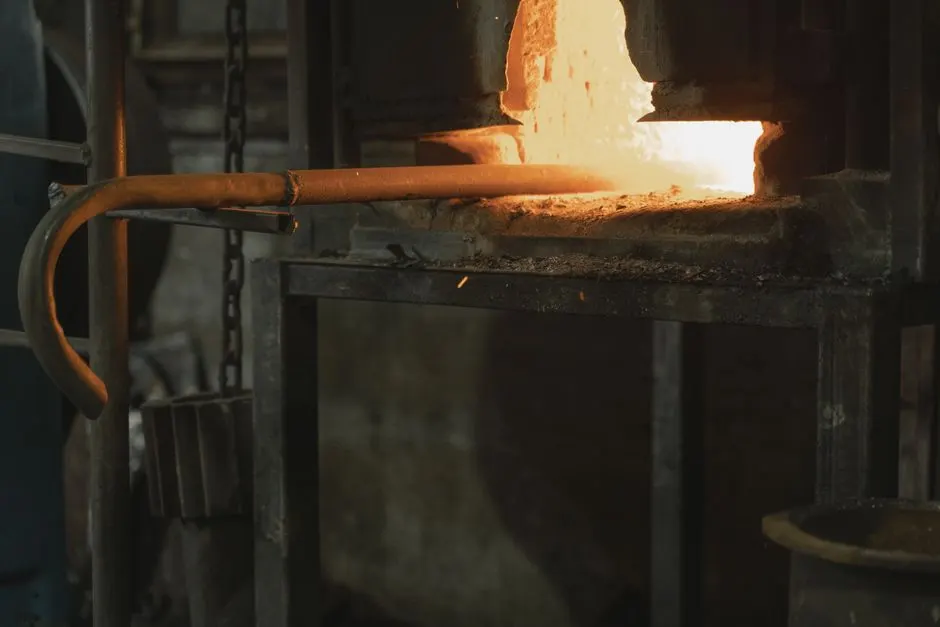
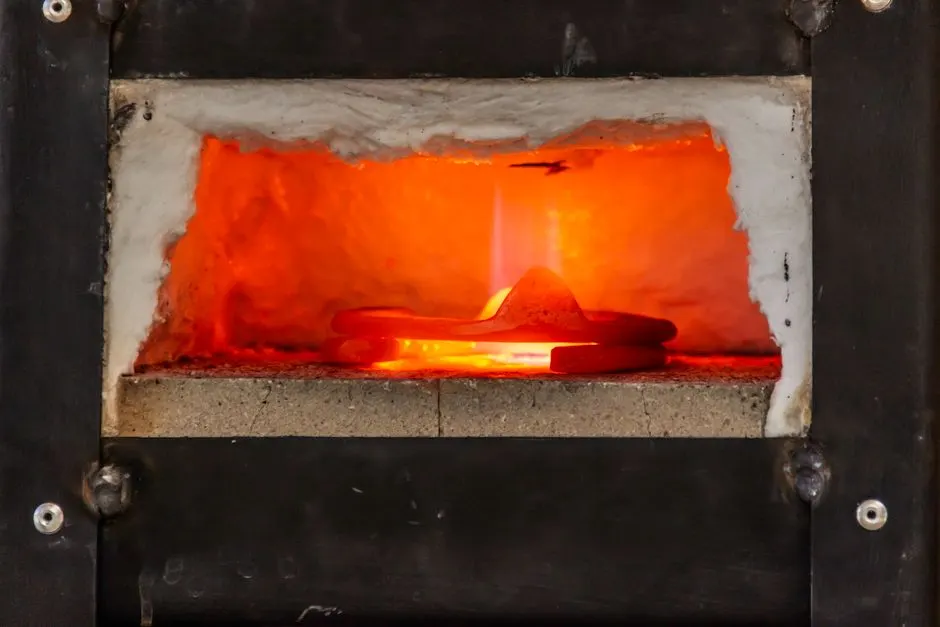
A close-up view of an industrial furnace with glowing metal heated inside, showing intense heat.
What we check
What we check

University Heights Furnace Repair Work

Diagnosis before parts

Our University Heights repair visits begin with the problem you report: no heat, a furnace that starts and stops, or rooms that never reach the thermostat setting. We inspect the air filter, thermostat response, ignition sequence, and blower operation before choosing a repair. On gas systems, we use a gas leak detector or combustion analyzer when the diagnosis requires it; an infrared thermometer helps compare supply temperatures. We also check for a dirty flame sensor, a failed hot-surface igniter, or a blower motor fault when symptoms point that way. The outcome we work toward is a furnace that starts, runs, and shuts down normally, with the cause explained to you. We do not publish a fabricated job count or success percentage. University Heights Furnace Repair customers receive a practical account of what we found, what we repaired, and what to watch for during the next heating cycle.

3 steps
Inspect, repair, test

Local furnace FAQs

How much does furnace repair cost in University Heights?

Many common repairs cost about $150-$900 in 2026, depending on the failed part, furnace type, and access. A thermostat or sensor repair is usually less involved than a motor or ignition assembly replacement. We inspect the furnace, explain the cause, and provide upfront pricing before proceeding. Major component work needs an equipment-specific assessment.

Who provides emergency furnace repair in University Heights?

Heating and cooling Masters provides emergency furnace repair near University Heights for residents and building contacts facing a no-heat problem. Call 1244567755 and describe the furnace behavior, address, and entry instructions. We prioritize urgent heating failures and explain the next step. If you smell gas, leave the area and contact the gas utility or emergency services first.

Is there a furnace repair technician near me in University Heights NJ?

Yes. Heating and cooling Masters serves University Heights and nearby Newark neighborhoods in New Jersey, including the 07102 and 07103 areas. Call with your address, furnace type, and symptoms so we can arrange the right visit. Our team handles gas, electric, and oil furnace issues, plus thermostat and airflow problems.

Credentials and safety

Licensed Heating Work in New Jersey

Furnace work in University Heights must account for safe fuel use, electrical components, venting, and building access. Our work follows applicable New Jersey requirements and relevant fuel-gas codes. Heating and cooling Masters carries a New Jersey HVACR contractor license and uses trained technicians for heating diagnosis. EPA Section 608 certification applies to technicians handling regulated refrigerants; it is relevant when a service task involves refrigerant-bearing equipment, not routine furnace combustion repair. We explain the work and test the system after repairs. For gas concerns, we check connections and operation with suitable instruments and advise you to leave the area if you suspect a leak.

New Jersey HVACR contractor license
New Jersey electrical contractor license
EPA Section 608 certification U.S. Environmental Protection Agency
When To Call

When to Call for Furnace Repair

Call for Furnace Repair in University Heights when the furnace will not start, repeatedly shuts down, or leaves rooms cold while running. A burning or gas odor needs immediate attention; leave the area if you suspect a gas leak and contact the appropriate emergency service. Other warning signs include unusual banging, a blower that will not stop, or a thermostat that does not match room conditions. If you need a furnace technician near me in University Heights NJ, share the furnace type and what happens during startup so we can focus the diagnosis.

1. Furnace starts, then stops repeatedly

Furnace short cycling can result from restricted airflow, a faulty thermostat, overheating, or a control problem. Repeated starts add wear and leave rooms uncomfortable. Turn the system off if it is making unusual sounds or showing an error, then arrange service so we can trace the cause safely.

2. No ignition after thermostat calls

A furnace ignition failure can involve a failed hot-surface igniter, dirty flame sensor, or another control issue. You may hear the system attempt to start without a steady flame or heat. Avoid repeated resets; a technician can inspect the ignition sequence and test the related components.

3. Pilot light goes out more than once

Recurring pilot light outages can point to a thermocouple, gas supply, draft, or burner issue. A single outage is worth checking; repeated outages need prompt attention. If you smell gas, leave the space and contact the gas utility or emergency services before arranging a repair visit.

4. Rooms stay cold despite a running blower

A running blower with weak heat can indicate a dirty filter, restricted airflow, burner trouble, or a failing heat exchanger. Check whether the filter is visibly blocked, but do not open sealed furnace components. If temperatures keep dropping, arrange diagnosis before the system runs continuously.

5. Thermostat reading conflicts with room temperature

A faulty thermostat, poor placement, wiring issue, or furnace control fault can make the displayed temperature differ from the room. If changing settings does not produce a normal heating cycle, record what the furnace does and call for service. Accurate diagnosis prevents unnecessary part replacement.

Local Problem Patterns

Common University Heights Furnace Problems

University Heights combines older properties with newer campus and residential construction, so furnace problems vary by equipment age, maintenance, and duct arrangement. Cold New Jersey winters increase run time, exposing weak igniters, dirty sensors, and worn blower parts. Student housing and institutional buildings also see changing occupancy and filter routines. We address University Heights heating repair by checking the actual operating sequence and airflow before identifying a part. A clogged filter or condensate drain can mimic a larger failure, so testing matters.

Logo

Furnace short cycling during prolonged winter heating demand

Why it happens here

A blocked filter, restricted airflow, overheating, or control fault can stop a furnace before it completes a normal cycle. During cold periods, a system runs more often, making a hidden restriction or weak component easier to notice in older and heavily occupied buildings.

Our approach

We check the filter, thermostat demand, temperature rise, and blower operation before replacing components. If the furnace is overheating, we identify the airflow or control cause and test the system after correction. This avoids treating repeated shutdowns as a simple thermostat problem.

Logo

Pilot light outages or ignition failures in aging gas furnaces

Why it happens here

Older equipment and missed maintenance can leave ignition components dirty or worn. A failed hot-surface igniter, weak thermocouple, or dirty flame sensor may prevent a reliable start, especially when the heating system begins running regularly in colder weather.

Our approach

We inspect the ignition sequence, confirm the relevant electrical and gas conditions, and check the flame sensor or igniter where indicated. We replace only components supported by the diagnosis, then run startup cycles to confirm safe, consistent operation.

Logo

Uneven room temperatures from restricted or altered ductwork

Why it happens here

Older University Heights properties may have ducts changed during renovations or room conversions. A disconnected branch, blocked register, or dirty filter can reduce airflow to one area while the furnace continues to run, leaving residents to raise the thermostat without solving the imbalance.

Our approach

We compare airflow at affected registers, inspect accessible connections, and check the filter and blower. We explain whether the issue is at the furnace or duct system and repair accessible faults before recommending broader work. A final operating check confirms the change.

Logo

Condensate drain blockage stopping a high-efficiency furnace

Why it happens here

High-efficiency furnaces produce condensate during operation. A clogged condensate drain or trap can trigger a safety switch and stop heating. In multi-unit buildings, unnoticed leaks or neglected maintenance can make the interruption more disruptive than the small blockage suggests.

Our approach

We inspect the drain path and safety switch, clear the blockage when appropriate, and check for leaks or recurring buildup. We verify the furnace restarts and completes a heating cycle. If the drain issue points to a larger installation concern, we explain the next repair clearly.

Local Pricing

Furnace Repair Costs in University Heights

Typical 2026 pricing for Furnace Repair in University Heights depends on the fault, furnace type, access, and parts required. A straightforward thermostat or sensor repair may fall around $150-$350, while a more involved motor or ignition repair can run $300-$900. Major component work, including a heat exchanger, requires system-specific assessment and can cost substantially more. We give upfront pricing before proceeding with the repair. University Heights Furnace Repair pricing also reflects whether the call is urgent, whether the unit is in a shared mechanical room, and whether a compatible part is readily available. A clear description of the symptoms helps us prepare. We inspect first, explain the cause, and recommend the repair that addresses the problem rather than replacing unrelated parts.

Availability in University Heights: We take urgent no-heat calls in University Heights throughout the heating season and schedule routine repairs and maintenance around building access. For emergency furnace repair near University Heights, call 1244567755 and describe the symptoms, address, and any shared-entry instructions. Same-day visits depend on the service queue and parts needed; we give you a clear timing update when arranging the appointment. If you smell gas, leave the area and contact the gas utility or emergency services before requesting furnace repair.

1

Fault and replacement part

A thermostat adjustment or flame-sensor cleaning is usually less involved than replacing a blower motor or draft inducer motor. Parts availability and the furnace model affect the final price. We identify the failed component and explain the repair before work proceeds.

2

Building access and equipment

A furnace in a locked shared room or tight basement near the campus district can require additional access coordination. Older equipment may also need model-specific parts. These details affect labor and timing, so we confirm them during diagnosis rather than assume every visit is alike.

3

Urgency and timing

A no-heat call during a winter cold spell can require urgent scheduling, while a noisy furnace reported before peak season allows more appointment flexibility. The fault itself still determines the repair cost. We explain any applicable service pricing before beginning the work.

Year-Round Coverage

University Heights Furnace Care by Season

November begins the sustained heating season in University Heights, when furnaces face longer run times and small faults become obvious. Winter demand brings urgent no-heat calls across apartments and campus facilities. Spring is a good time to address problems noticed during cold weather, while summer offers room for maintenance before schedules tighten. Before fall temperatures drop, have the furnace checked and the filter ready. If heat fails during the current season, same-day heating repair in University Heights depends on the fault, access, and parts, but an early call helps us plan a visit.

Spring

As outdoor temperatures ease, residents often notice problems left over from winter: unusual cycling, weak airflow, or a furnace that needed repeated resets. Less frequent use can also reveal a drain or control issue when the system starts again.

Tip

Make a note of symptoms before they fade from memory. Replace a dirty filter, schedule repair for recurring faults, and have the furnace tested before the next long heating season.

Summer

Heating calls are often less urgent in summer, making it easier to address noise, thermostat response, and overdue maintenance. University Heights rentals may also change occupants, so a system check can catch a problem before colder weather returns.

Tip

Use a vacant or turnover period to confirm the furnace starts and responds to its thermostat. Keep the mechanical area accessible and record the filter size for the next replacement.

Fall

As fall temperatures drop, furnaces restart after months of limited use. A weak igniter, dirty flame sensor, or blocked filter can become apparent during the first heating cycles. Campus-area buildings also prepare for fuller occupancy and more regular demand.

Tip

Schedule maintenance before sustained cold and test the thermostat early. If the furnace fails to ignite or cycles repeatedly, arrange repair before the first cold snap increases demand.

Winter

Winter is the highest-pressure period for University Heights heating systems. Longer run times expose worn motors, airflow restrictions, ignition faults, and thermostat problems. A no-heat failure affects residents quickly, especially in shared housing and occupied facilities.

Tip

Keep the filter clear and avoid repeated furnace resets. If you smell gas, leave the area and contact the gas utility or emergency services; otherwise call promptly with the symptoms and building access details.

Hiring Smart

Questions Before Hiring a Furnace Pro

For University Heights furnace work, ask how the contractor will find the cause, what credentials apply, and how the repaired system will be tested. A useful answer names the checks involved, such as ignition, airflow, thermostat response, or gas pressure. It should also account for your building's access and occupancy instead of promising the same repair for every furnace. Ask whether the technician handles your fuel type and whether pricing is explained before work begins. Clear answers help you compare service on the actual problem, not on broad claims.

  1. 1

    "Will you test the furnace after replacing a part?"

    Why it matters

    A replacement alone does not prove the original problem is fixed. The technician should run the furnace through a complete heating cycle, confirm the thermostat calls correctly, and check that the system starts and shuts down normally. In shared University Heights buildings, ask whether the affected rooms or zone will also be checked.

  2. 2

    "Are you licensed to work on HVAC systems in New Jersey?"

    Why it matters

    New Jersey HVACR work requires appropriate licensing. Ask which license applies to the repair and whether the technician follows relevant fuel-gas and building requirements. A direct answer shows the contractor understands the work is more than swapping a part.

  3. 3

    "Can you explain the diagnostic steps before recommending parts?"

    Why it matters

    A good diagnosis connects the symptom to a test result. Ask whether the technician will check the filter, thermostat, ignition, airflow, and relevant electrical or gas readings. This helps you understand why a repair is needed and reduces the chance of replacing unrelated components.

  4. 4

    "Do you work on my furnace brand and fuel type?"

    Why it matters

    University Heights properties use different equipment and fuel systems. Confirm the contractor can inspect your installed furnace, whether it is gas, electric, or oil, and ask how parts availability affects timing. A clear answer helps set practical expectations for the visit.

  5. 5

    "How do you handle access in a shared apartment building?"

    Why it matters

    A repair can stall if the furnace room is locked or the affected unit is difficult to identify. Ask what entry details and building contacts the technician needs. A contractor who plans for shared spaces can keep the visit orderly and limit disruption to residents.

Knowing the Area

Landmarks That Help Us Navigate

University Heights service visits use familiar landmarks to orient the trip, but we always confirm the complete service address and entrance. Rutgers University-Newark, New Jersey Institute of Technology, and University Hospital help distinguish nearby blocks with different access arrangements. In busy campus areas, a clear building contact and equipment-room location can save time. Our team also accounts for occupied facilities and shared residential entrances when planning a furnace inspection or repair.

Landmarks

  • Rutgers University-Newark

    The campus is a useful reference for nearby apartments and institutional buildings. When you call, tell us the building entrance and where the furnace is located so we can distinguish a residence from a managed campus space.

  • New Jersey Institute of Technology

    The institute helps orient service visits across the adjoining campus area, where building layouts and equipment access differ. We confirm whether the furnace serves one unit or a larger space before beginning diagnosis.

  • University Hospital

    University Hospital is a recognizable reference point for nearby homes and facilities. We use your street address and access instructions alongside the landmark to avoid confusion around busy entrances and occupied buildings.

Commercial Districts

  • University Avenue corridor

    Institutional buildings, student housing, and residential properties along the corridor create a mix of furnace types and operating schedules. Calls often involve shared access, uneven room temperatures, or a heating system restarting frequently.

  • Newark campus district

    The campus district brings residences and facilities close together, but heating needs differ by occupancy and building use. We plan repairs around the affected space and the location of the mechanical room.

Transport & Access

  • Broad Street Station

    Broad Street Station is a Newark orientation point for the wider area. We rely on the confirmed service address and building entrance for the final approach to University Heights.

  • Newark Penn Station

    Newark Penn Station connects the central city with routes toward University Heights. For a furnace visit, clear parking and access instructions matter more than station proximity alone.

Service Area

Furnace Repair Coverage Across University Heights & Essex County

Routine and same-week appointments for residents and businesses across Essex County, including the ZIP codes below.

071030710207105071040710707106071080711207114071010717507188071910719207193071950719807199
!

Call for Furnace Repair in University Heights

If your University Heights furnace is short cycling, will not ignite, or has stopped heating, call Heating and cooling Masters at 1244567755. We serve Newark, New Jersey, and can arrange urgent service for homes, rentals, and campus-area buildings. Our technicians check the cause, explain the repair, and test the system before wrapping up. Tell us your address, furnace type, and access details so we can plan the visit.

Call for repair
Call Now: 1244567755