Logo
Lower Broadway service

Furnace Repair in Lower Broadway for Cold Homes

Furnace Repair in Lower Broadway helps restore safe, even heat when your system short cycles, fails to ignite, or leaves rooms cold. We work along the Broadway corridor, around Mount Pleasant, and near Branch Brook Park, where older multifamily buildings and mixed residential and commercial properties bring different heating demands. Our team checks the cause, explains the repair, and tests the furnace before we leave. Serving Newark, New Jersey, including ZIP code 07104.

Newark, NJ
Local service
07104
Service ZIP
November heating calls
Current season focus

Lower Broadway overview

Furnace Repair in Lower Broadway, Up Close

Why we work here

Lower Broadway combines residences, small businesses, and older multifamily properties, so a single stretch of road can have very different heating equipment. A tenant may be dealing with a furnace that cycles every few minutes, while a shop needs its heat restored before customers arrive. Cold winter weather drives repair and maintenance calls, and aging duct systems can leave upper rooms colder than the thermostat setting suggests. We serve this area because local work rewards careful listening: we ask which rooms are cold, when the fault began, and whether the system has changed since its last heating season. That detail helps us test the right components instead of guessing.

Local heating help for homes and storefronts

Furnace Repair in Lower Broadway is a heating service that diagnoses and corrects furnace faults when a home or business loses dependable heat. We work across the Broadway corridor, Mount Pleasant, North Broadway, and the Branch Brook Park edge, where older multifamily buildings may have aging furnaces, shared systems, and ductwork that has changed over decades. That mix calls for careful diagnosis rather than a quick parts swap. We inspect the equipment, identify the failure, and confirm the system is operating safely after the repair. Our Lower Broadway Furnace Repair work covers gas and electric equipment, ignition problems, thermostat faults, airflow issues, and seasonal breakdowns. A combustion analyzer, multimeter, and manometer help us check performance and gas pressure against manufacturer requirements. We service systems from Carrier, Trane, Lennox, Rheem, Goodman, Bryant, and York, while matching replacement parts to the actual model and failure. You get a clear explanation of what stopped the heat and what will restore it. Cold winter weather brings concentrated calls in Newark's 07104 area, especially when a furnace has sat idle since spring. We plan for dense streets, multifamily access, and occupied storefronts. Our goal is straightforward: restore safe heat, verify the repair, and leave you with practical advice for the rest of the season.
Heating services

Furnace Repair Services Across Lower Broadway

Heating demand in Lower Broadway rises quickly when November nights turn cold, and older multifamily buildings can expose weak ignition parts or restricted airflow after a long idle period. We handle emergency calls, routine troubleshooting, repairs, and maintenance for residences and commercial properties near Broadway and the Newark Light Rail Broadway Station. If your furnace quits after hours, 24/7 furnace repair in Lower Broadway NJ gives you a way to address a no-heat problem without waiting for a routine visit. We check the equipment, explain the fault, and confirm operation after the work.

How we work locally

How Lower Broadway Furnace Repair Gets Done

Challenge: Older multifamily buildings have aging furnaces and altered duct systems

A furnace may be accessible in a basement or utility room while the coldest rooms sit several floors away. Aging ductwork, shared spaces, and past renovations can complicate airflow diagnosis and make a single thermostat reading misleading.

Response: We ask which rooms lose heat and inspect accessible supply and return paths as well as the furnace itself. We use temperature checks and system readings to separate a failed component from a distribution problem. Before leaving, we run the equipment and confirm that the repair addresses the reported condition.

Challenge: Dense Broadway traffic and limited curb access affect equipment entry

Transit activity and major-road traffic create busy curb conditions, while some buildings have narrow entrances or shared halls. A furnace or replacement component can be difficult to carry in without coordinating access and protecting occupied spaces.

Response: We confirm the entrance and equipment location before the visit, bring compact diagnostic tools, and plan the work area with the occupant or property contact. For larger work, we coordinate safe movement of materials and keep shared passages clear. This reduces disruption without compromising the inspection.

Local coverage

Broadway corridorMount PleasantNorth BroadwayBranch Brook Park edgeLower Broadway multifamily blocksBroadway mixed-use properties

Lower Broadway service area

Lower Broadway

Latitude: 40.7591

Extract Directions

Local repair examples

Service example: 1

North Broadway

Problem

A multifamily resident near North Broadway reported that the furnace started repeatedly but shut down before the apartment warmed, leaving the bedroom several degrees colder than the living room.

Work

We inspected the ignition sequence and found a dirty flame sensor interrupting the heat cycle. After cleaning and checking the sensor connection, we tested the furnace through three complete starts. We also checked the air filter and confirmed that the return path was not blocked, then explained how filter condition can affect the next heating cycle.

Result

The furnace completed three consecutive cycles without shutting down, and the room temperature difference fell from 6 degrees to 2 degrees during the follow-up test. The resident had heat restored without replacing the furnace.

Service example: 2

Broadway corridor

Problem

A Broadway storefront had a furnace that ran continuously while staff felt cool air at two registers, creating uncomfortable conditions during morning business hours.

Work

We checked thermostat operation, supply temperatures, and accessible duct connections. The thermostat was responding, but a loose duct joint was sending heated air into an unoccupied space. We secured the connection, inspected the nearby filter, and ran the equipment until the supply temperature stabilized.

Result

The two affected registers delivered warm air after the repair, and the furnace returned to a normal heating cycle during a 20-minute test. The business kept its existing equipment and avoided replacing a functioning thermostat.

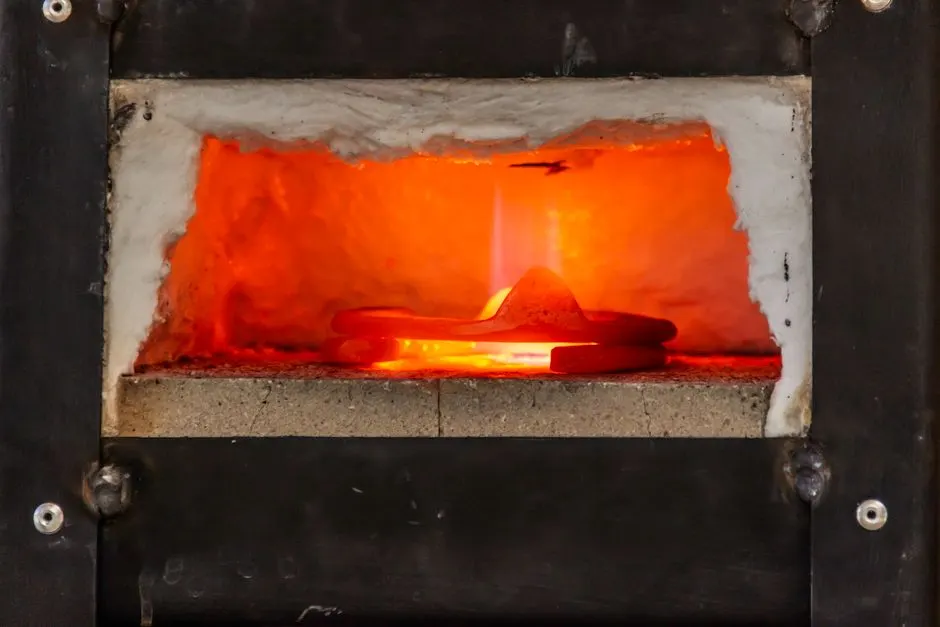
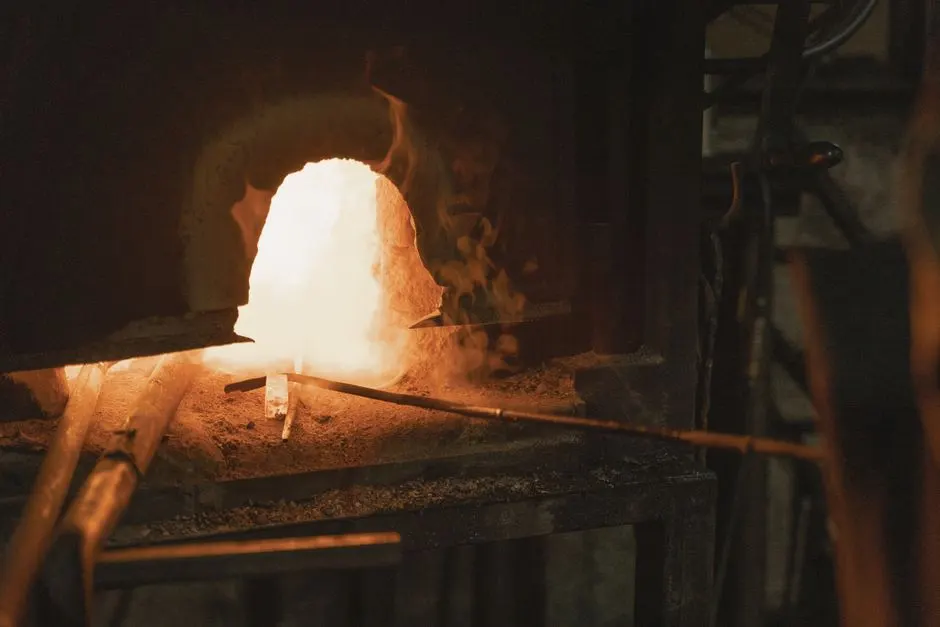
Image of a vibrant blacksmith forge with tools and a glowing furnace, showcasing intense heat and craftsmanship.
What we see locally
What we see locally

Repair Patterns Across Lower Broadway

From fault to steady heat

Lower Broadway Furnace Repair visits often begin with three reports: the furnace starts and stops repeatedly, the blower runs without warm air, or the system will not ignite. We trace the sequence through the thermostat, ignition, flame sensing, and airflow instead of replacing parts by symptom alone. On gas equipment, a combustion analyzer helps us assess operation after the repair; on electrical faults, a multimeter narrows the cause. We also see dirty filters and blocked returns in older multifamily buildings, where a furnace can be blamed for a problem farther down the duct system. Our work is complete when the furnace runs through its cycle and the reported rooms receive heat. A visit may uncover a second issue, such as a worn blower motor, which we explain separately so you can choose the next step with clear information.

1 full cycle
Post-repair test

Local questions

How much does furnace repair cost in Lower Broadway?

A diagnostic visit often costs $89-$150, while common repairs run about $180-$450 in 2026. Blower or control repairs can reach $450-$900, depending on the part and access. Older multifamily buildings may require extra time to reach equipment or check airflow. We identify the fault, explain the price before work, and test the furnace after repair.

Who provides emergency furnace repair in Lower Broadway?

Heating and cooling Masters handles emergency furnace repair near Lower Broadway for no-heat problems, ignition failures, and repeated shutdowns. We begin by checking safe operation and the cause of the failure, then repair and test the system. For a gas odor, leave the building and contact emergency services first; arrange furnace service only after the area is safe.

Is there a furnace repair technician near me in Lower Broadway NJ?

Yes, Heating and cooling Masters serves Lower Broadway and nearby Newark neighborhoods, including ZIP code 07104. We work on gas and electric furnaces in homes, multifamily properties, and storefronts. Tell us the furnace brand, the symptom, and whether the blower runs; those details help us prepare for the visit and focus the diagnosis.

Credentials and safety

Credentials for Safe Heating Work

Heating and cooling Masters works in Lower Broadway with attention to safe diagnosis, correct parts, and applicable New Jersey requirements. Our technicians use combustion testing and electrical readings where the equipment calls for them, and they check system operation after repairs. Gas work is approached with fuel-gas safety in mind, including relevant provisions of NFPA 54 and the International Fuel Gas Code. We hold a New Jersey HVACR contractor license and carry appropriate business insurance. Our team also values EPA Section 608 certification and recognized HVAC training credentials when handling equipment and refrigerants.

New Jersey HVACR contractor license
New Jersey home improvement contractor registration
EPA Section 608 certification United States Environmental Protection Agency
When To Call

When to Call for Lower Broadway Furnace Repair

Call for Furnace Repair in Lower Broadway when the furnace cannot keep your home or business warm, repeatedly shuts down, or produces unusual sounds or odors. In November, a system that has been idle for months can reveal a weak igniter or blocked airflow during its first long cycles. If you need a furnace technician near me in Lower Broadway NJ, note which rooms are cold, whether the blower runs, and what the thermostat displays. Those details help us narrow the fault and arrive prepared to test the right parts.

1. Furnace starts, stops, and restarts repeatedly

Furnace short cycling can point to restricted airflow, an overheating limit switch, or a control problem. Repeated starts place extra wear on components and leave rooms below the thermostat setting. Replace a visibly dirty filter if appropriate, but call if short cycling continues after the filter is clear.

2. Thermostat calls for heat but burners stay off

A furnace ignition failure may come from a failed hot-surface igniter, a pilot issue, a gas supply interruption, or a safety control. Do not repeatedly reset a furnace that will not light. We trace the ignition sequence and verify safe operation after correcting the cause.

3. Blower runs but vents feel cool

Cool airflow can indicate that burners did not ignite, the furnace has entered a safety shutdown, or the thermostat and equipment are out of sync. In older multifamily buildings, a duct problem can also mix or lose heated air. We check the unit and accessible airflow path before deciding.

4. Uneven heat leaves one room consistently cold

A room that stays cold while the furnace runs may have a blocked register, leaking duct, poor return airflow, or a system balance issue. A persistent difference of 5 degrees or more deserves a check, especially if the room is far from the furnace or on another floor.

5. Burning odor or unusual metallic noise appears

A brief dusty smell at first seasonal startup can fade, but a persistent burning odor, scraping sound, or loud bang needs prompt attention. Shut the furnace off if you smell gas or see smoke, leave the area, and contact the appropriate emergency service before arranging a repair.

Local Problem Patterns

Common Furnace Problems in Lower Broadway

Lower Broadway's cold winter weather puts furnaces under sustained demand, while older multifamily buildings may have aging equipment and duct systems. Dust accumulated during a long idle season can restrict airflow; long cycles then expose weak ignition parts, dirty flame sensors, and failing motors. Broadway's dense residential and commercial mix also means systems run on different schedules and serve spaces with different airflow needs. We diagnose the furnace and the conditions around it, so a comfort complaint does not automatically become an unnecessary parts replacement.

Logo

Dirty flame sensors interrupt ignition after repeated heating cycles

Why it happens here

A sensor can collect residue over time and fail to confirm a stable flame, causing the furnace to shut down shortly after ignition. Long winter run times make the symptom more frequent. Dust and maintenance gaps in older buildings can hasten the problem.

Our approach

We inspect the sensor and burner sequence, clean or replace the part when needed, and test repeated starts. We also check the filter and airflow so the repair addresses contributing conditions rather than only clearing the immediate shutdown.

Logo

Restricted airflow causes short cycling in aging multifamily systems

Why it happens here

A clogged filter, blocked return, closed registers, or altered ductwork can reduce airflow and overheat a furnace. In older Lower Broadway properties, renovations and shared building layouts can make restrictions less obvious than a problem at the unit.

Our approach

We compare the reported cold rooms with accessible supply and return paths, inspect the filter, and measure temperature changes. If the furnace is overheating, we correct the airflow cause where accessible and verify that the unit completes a normal heating cycle.

Logo

Failed hot-surface igniters leave homes without heat on cold mornings

Why it happens here

Igniters wear through repeated heating cycles and can crack or lose the ability to reach ignition temperature. A system may work intermittently before failing outright, often just as colder November weather increases demand across the neighborhood.

Our approach

We check the ignition sequence, electrical supply, and related controls before replacing an igniter. After installation, we confirm startup and burner operation through multiple cycles, then explain what signs should prompt another call.

Logo

Blower motor failure reduces heat delivery across multiple rooms

Why it happens here

A worn motor, failed capacitor, electrical fault, or heavy dust load can weaken the blower. The furnace may still produce heat, but rooms remain cold because warm air is not moving through the ducts. Long winter cycles can make a marginal motor fail.

Our approach

We check motor operation, electrical readings, and airflow before recommending a repair. If the motor is the cause, we match the replacement to the furnace and retest air delivery. We also look for a dirty filter that could shorten the new part's service life.

Local Pricing

Furnace Repair Pricing in Lower Broadway

Typical 2026 pricing in Lower Broadway depends on the failed part, access, and whether the furnace can be repaired during one visit. Diagnostic visits often fall around $89-$150, common repairs such as a flame sensor or thermostat issue can run $180-$450, and more involved blower or control repairs may range from $450-$900. A heat exchanger replacement or major system work requires equipment-specific assessment and can cost substantially more. Lower Broadway Furnace Repair pricing also changes when a multifamily property requires coordinated access or when a second airflow problem is uncovered. We explain the repair and price before work begins, then test the furnace. The final cost reflects parts, labor, equipment type, and the time needed to verify safe operation.

Availability in Lower Broadway: We take scheduled repair and urgent no-heat calls in Lower Broadway, including evenings when a breakdown cannot wait for a routine appointment. A straightforward sensor or igniter repair often takes one to three hours once the correct part is available; complex diagnostics take longer. Same-day heating repair in Lower Broadway depends on the fault and parts needed, but we work to restore heat promptly and keep you informed about the visit.

1

Failed part and availability

A sensor, igniter, or thermostat usually takes less labor than a blower motor or draft inducer motor. If a part is uncommon or specific to an older model, sourcing it can add time. We identify the part and its role before recommending replacement.

2

Equipment access and building layout

Compact utility closets, basement stairs, and shared entry arrangements in older Lower Broadway buildings can add labor to a repair. We plan for safe access and protect common areas, particularly when equipment must be moved through a multifamily property.

3

Secondary airflow or venting faults

A furnace repair may reveal a clogged filter, damaged duct joint, blocked drain, or venting concern that also affects performance. We explain each finding separately and prioritize the issue that prevents safe, reliable heating rather than adding unrelated work.

Year-Round Coverage

How Lower Broadway Seasons Affect Furnace Repair

November starts the busiest stretch for heating calls in Lower Broadway as cold nights push furnaces into longer cycles. Older equipment that sat idle can reveal ignition, airflow, or control faults on the first sustained run. Winter brings urgent no-heat visits, while spring and summer are useful times to address wear before another heating season. If your household needs affordable furnace service in Lower Broadway, early maintenance can catch a dirty sensor or worn part before a cold-weather shutdown. We tailor checks to the season and the building.

Spring

As outdoor temperatures rise, a furnace runs less often and small performance problems can be easy to overlook. Lower Broadway households may notice unusual startup sounds or uneven heat only during the last cold nights. Dust and filter buildup from winter can remain inside the system.

Tip

After the heating season, note any rooms that stayed cold or any repeated shutdowns. Arrange a check before summer so a minor ignition or airflow issue does not return during the next cold spell.

Summer

Furnaces sit idle for weeks, making summer a quieter period for heating repairs and system planning. In older properties, a damp or dusty utility area can affect equipment condition, while a condensate drain on a high-efficiency model may clog even when heating demand is low.

Tip

Use a mild-weather visit to inspect the furnace, replace a dirty filter, and correct known faults. If you are considering replacement, review venting and condensate routing before the autumn rush.

Fall

Fall is the time to test the furnace before Lower Broadway nights turn cold. A failed igniter, dirty flame sensor, or thermostat problem may appear during the first heating cycles. Older multifamily systems also benefit from checking airflow before all rooms rely on steady heat.

Tip

Run the system briefly before the first cold week and listen for unusual starts or repeated shutdowns. Book maintenance early enough to address worn components before demand rises.

Winter

Winter brings the highest pressure on furnaces as cold weather drives longer cycles across homes and storefronts. A marginal blower, blocked filter, or ignition fault can become a complete no-heat problem. Dense building access and occupied schedules can also affect how quickly equipment is reached.

Tip

Keep the furnace filter clear and make sure supply registers are open. If the system stops heating, note the thermostat display and call promptly rather than repeatedly resetting it.

Hiring Smart

Questions to Ask Before Hiring in Lower Broadway

The right contractor should explain the fault in plain language, know how to test your type of furnace, and understand the access realities of Lower Broadway homes and businesses. Before booking, ask how the technician will distinguish a failed part from restricted airflow, what safety checks follow a gas repair, and whether the visit includes a full-cycle test. A clear answer shows that the work is based on diagnosis, not guesswork. You should also know who will enter the building and how the repair price is handled.

  1. 1

    "Will you test the furnace after replacing a part?"

    Why it matters

    A part replacement is not proof that the heating problem is fixed. The technician should run the furnace through its startup and operating sequence, check the reported symptom, and confirm the system shuts down normally. This is especially important when an older Lower Broadway furnace has been cycling or failing to ignite.

  2. 2

    "Do you work on my furnace brand and fuel type?"

    Why it matters

    Gas, electric, and oil systems use different controls and safety checks. A contractor should be able to identify your furnace model and explain the appropriate diagnostic process before starting work. This avoids treating a pilot issue, electric control fault, and gas ignition failure as if they were the same repair.

  3. 3

    "How do you check for airflow problems in my building?"

    Why it matters

    Older multifamily buildings may have altered ducts, blocked returns, or rooms far from the furnace. A useful answer includes checking filters, registers, and accessible ductwork alongside the equipment. That broader inspection can prevent a furnace part from being replaced when the actual issue is heat distribution.

  4. 4

    "What safety checks follow a gas furnace repair?"

    Why it matters

    Gas repairs affect combustion, venting, and fuel connections. Ask whether the technician checks the repaired connection and verifies operation after the work. A careful answer should reference equipment requirements and applicable fuel-gas safety standards, not just say that the furnace turned on.

  5. 5

    "Can you coordinate access for a multifamily property?"

    Why it matters

    Shared entrances, basement equipment, and occupied apartments can complicate a visit in Lower Broadway. Clear coordination helps the technician reach the correct furnace, protects common areas, and avoids confusion about which unit has the heating complaint. It also makes the repair process smoother for residents and property contacts.

Knowing the Area

Local Landmarks That Guide Service

We use familiar Lower Broadway landmarks to confirm the right approach and building entrance, then rely on the address and your access instructions to reach the furnace. Broadway and the Newark Light Rail Broadway Station can be busy, so we account for transit and major-road conditions when planning a visit. Near Branch Brook Park, residential streets and multifamily entrances call for clear directions on where to meet and how to reach the equipment. These reference points help keep a service visit practical without confusing one block or property entrance with another.

Landmarks

  • Branch Brook Park

    The park edge is a useful orientation point for nearby homes and apartment buildings. Winter calls from this side often involve long heating cycles, so we ask about the rooms affected and check airflow as well as the furnace.

  • Newark Public Library North End Branch

    This neighborhood landmark helps identify nearby residential streets and the North End side of the service area. We use it as a reference when confirming the property location, then verify the exact entrance and equipment access with you.

  • Newark Light Rail Broadway Station

    Transit activity near the station contributes to dense street conditions. We plan the visit around access to the building and carry tools suited to compact equipment rooms, helping reduce disruption in occupied properties.

Commercial Districts

  • Broadway storefront stretch

    Small businesses need dependable heat during opening hours, and a thermostat or ignition fault can affect staff and customers quickly. We coordinate the check around the shop schedule and test the system after repair.

  • North Broadway mixed-use blocks

    Residential units above street-level businesses may use separate equipment with different heating demands. We identify which furnace serves the affected space and check controls and airflow before deciding what repair is needed.

Transport & Access

  • Newark Light Rail Broadway Station

    The station is a local orientation point, but nearby traffic and pedestrian activity can affect curb access. We confirm the building entrance and a practical place to meet before carrying tools inside.

  • Broadway

    Broadway connects the service area and its businesses, while busy road conditions make clear address details useful. We coordinate arrival and equipment access directly with the customer.

Service Area

Furnace Repair Coverage Across Lower Broadway & Essex County

Routine and same-week appointments for residents and businesses across Essex County, including the ZIP codes below.

071030710207105071040710707106071080711207114071010717507188071910719207193071950719807199
!

Get Furnace Repair in Lower Broadway Today

If your furnace is short cycling, failing to ignite, or leaving a room cold, call Heating and cooling Masters for service in Lower Broadway. We serve homes and businesses across the neighborhood, including ZIP code 07104, and test the furnace after the repair. Tell us what the system is doing, where the equipment is located, and whether you have heat now. Call today to arrange your visit.

Call for repair
Call Now: 1244567755