Logo
Seventh Avenue service

Furnace Repair in Seventh Avenue for Cold Homes

Furnace Repair in Seventh Avenue gets your heat back by finding the cause, explaining the fix, and testing the system before we leave. We work across Seventh Avenue, Forest Hill, and Roseville, where older heating equipment and cold New Jersey winters put furnaces under steady strain. Tell us what your system is doing; we will check the likely failure points and recommend the repair that fits your home.

07104
Local service area
07107
Newark coverage
Heating checks now
Winter focus

Seventh Avenue overview

Furnace Repair in Seventh Avenue, Done Locally

Why we serve here

Seventh Avenue sits within Newark's northern neighborhoods, where cold winter conditions increase furnace use and maintenance needs. We see the effect in homes that run continuously during a cold snap and in multifamily buildings where one zone feels comfortable while another stays chilly. Mature trees and established blocks characterize the surrounding area, and older homes often have narrow utility spaces, aging ductwork, or equipment that has been modified over time. We serve here because careful diagnosis matters: the first failed part is not always the only cause. Our technicians check temperature rise, airflow, thermostat response, and combustion safety so you can make a sensible repair decision for your property.

Local heating help for Newark's older homes and apartments

Furnace Repair in Seventh Avenue is residential heating service that diagnoses and fixes equipment failures when a home or building cannot maintain safe, steady warmth. Heating and cooling Masters serves Seventh Avenue and nearby blocks in Forest Hill, Mount Pleasant, and Roseville, with repairs shaped around the age and layout of each property. Historic residential properties may still rely on older heating systems, and a repair that works in a newer apartment may not suit a century-old house. We check the equipment, airflow, controls, and venting before choosing a repair. Our work covers furnace short cycling, faulty thermostats, ignition problems, and blower trouble. For Seventh Avenue Furnace Repair, we bring the right test instruments and explain what the readings mean in plain language. We also serve homes around Branch Brook Park and the Cathedral Basilica of the Sacred Heart, where the local housing mix ranges from single-family homes to multifamily buildings with separate zones. We focus on restoring reliable heat while protecting the equipment and the people who use it.
Heating services

Seventh Avenue Furnace Repair Services

Heating demand on Seventh Avenue rises sharply as Newark moves into cold weather, especially in homes with older furnaces and buildings with several apartments or heating zones. We repair gas, electric, and oil systems, address ignition and thermostat faults, and inspect ductwork when heat does not reach every room. If your furnace fails after hours, ask about emergency furnace repair near Seventh Avenue; we will focus first on safety, the failure point, and restoring heat. Our service also includes maintenance and high-efficiency equipment installation when repair is no longer the practical choice.

How we work here

How Seventh Avenue Furnace Repair Works

Challenge: Older basements leave limited room around furnaces and vent connections

Historic homes near Mount Pleasant may have narrow stairs, low ceilings, or equipment placed close to stored items. Limited access can slow inspection and make it important to protect nearby piping, wiring, and finished surfaces while testing the furnace.

Response: We ask about the equipment location before arrival and bring compact test tools suited to tight spaces. Our technician clears a safe working area with you, checks the accessible vent and service panels, and avoids forcing components that have aged in place. If access prevents a safe repair, we explain what needs to move before continuing.

Challenge: Multifamily buildings need clear separation between shared systems and apartment zones

A heating complaint in one apartment may come from its thermostat, a closed damper, shared ductwork, or a central furnace serving several units. Testing the wrong control can interrupt heat elsewhere or conceal the actual fault.

Response: We identify the affected apartments, controls, and equipment before testing. Our team checks zone calls and airflow room by room, then traces the issue to the correct component. We coordinate access with the resident or building contact and retest the affected zone after the repair so heat returns where it is needed.

Nearby neighborhoods

Forest HillMount PleasantRosevilleBranch Brook Park SouthSeventh Avenue blocksCathedral area

Where we work

Seventh Avenue

Latitude: 40.7655

Extract Directions

Local repair examples

Service example: 1

Forest Hill near Seventh Avenue

Problem

A Forest Hill homeowner reported that the gas furnace started, ran briefly, and shut down before the upstairs rooms warmed.

Repair

We checked the thermostat call, filter condition, flame-sensing sequence, and temperature rise. The flame sensor was dirty, while airflow was also restricted by an overdue filter. We cleaned the sensor, replaced the filter with the correct size, and ran multiple heating cycles to confirm the burner stayed lit and the blower moved warm air through the home's ductwork.

Outcome

The furnace completed three consecutive heating cycles without shutting down early. The homeowner reported more consistent warmth upstairs, and we reviewed the filter size and a practical replacement interval before leaving.

Service example: 2

Branch Brook Park South

Problem

An apartment near Branch Brook Park had a cold living room despite the furnace running, while the bedroom became too warm.

Repair

We compared thermostat calls and register temperatures, then inspected accessible ductwork and zone dampers. The living-room supply path was partly restricted, and the thermostat placement did not reflect conditions across the apartment. We corrected the accessible airflow issue, verified the control response, and tested temperatures in both rooms during a full heating cycle.

Outcome

The two rooms showed a smaller temperature difference after the repair, with readings within 3 degrees during the test. The resident received a clear explanation of the zone behavior and the conditions to watch for.

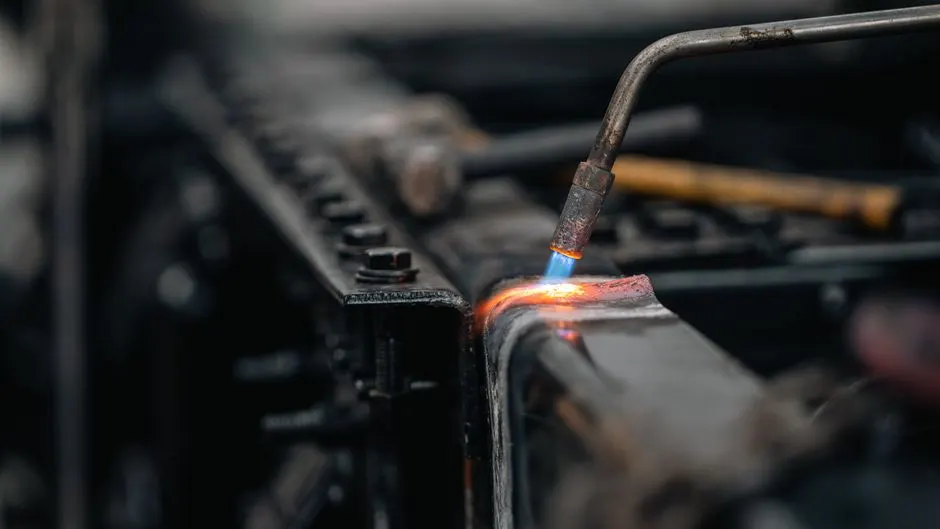
Detailed view of torch welding metal surface, featuring blue flame.
Repair approach
Repair approach

What We Check on Seventh Avenue

From symptom to verified heat

Seventh Avenue Furnace Repair calls often begin with a simple report: the furnace starts and stops, the pilot will not stay lit, or a bedroom remains cold while the living room warms. We use the symptom to guide testing, not to guess at a part. On gas equipment, we may check combustion, gas pressure, and flame sensing; on electric systems, we test circuit performance and current draw. We also inspect filters and return airflow, because restricted airflow can mimic a failing furnace. Where a repair is completed, we run the system through a heating cycle and confirm that the control responds and warm air reaches the affected area. Our records focus on the job findings and completed work, not invented totals or success percentages. For Seventh Avenue heating repair, you receive a direct account of what failed and what we did to restore operation.

1 full cycle
Post-repair test

Local furnace FAQs

How much does furnace repair cost in Seventh Avenue?

A straightforward repair in Seventh Avenue often costs $180-$450, while major component work can run $450-$1,200 or more. Price depends on the failed part, furnace type, access, and whether service is needed after hours. We test the system first and explain the repair price before proceeding. A blower motor or gas valve replacement usually involves more labor and parts than cleaning a sensor or correcting a simple control issue.

Who provides emergency furnace repair in Seventh Avenue?

Heating and cooling Masters provides emergency furnace repair near Seventh Avenue for urgent no-heat and furnace failure calls. Call 1244567755 and tell us whether the system is fully off, short cycling, or producing an unusual odor. If you smell gas, leave the building and contact emergency services before arranging HVAC repair. For a routine failure, share the furnace type and any error code so we can prepare for the visit.

Is there a furnace repair technician near me in Seventh Avenue NJ?

Yes. Heating and cooling Masters serves Seventh Avenue and nearby Newark neighborhoods, including Forest Hill, Mount Pleasant, and Roseville. Our technicians inspect gas, electric, and oil systems, check the relevant controls and airflow, and test operation after repair. Share your address, ZIP code, and furnace symptoms when you call so we can plan for the right building entrance and equipment access.

Credentials and safety

Licensed Heating Service

Heating and cooling Masters serves Newark, New Jersey, including Seventh Avenue and nearby Essex County neighborhoods. Our work follows applicable equipment instructions and fuel-gas safety requirements, and our technicians use diagnostic tools suited to gas and electric systems. We carry the relevant New Jersey HVACR contractor license and maintain appropriate business insurance for service work. For gas equipment, we inspect affected connections and venting, then test operation after repair. Our technicians hold EPA Section 608 certification and NATE certification, supporting safe handling practices and technical knowledge across heating equipment. We explain the findings and the repair plainly before work proceeds.

New Jersey HVACR contractor license
New Jersey business registration
EPA Section 608 certification U.S. Environmental Protection Agency
When To Call

When to Call for Furnace Repair

Call for Furnace Repair in Seventh Avenue when your system repeatedly stops, fails to ignite, blows cool air, or leaves the same rooms cold despite a thermostat call. A furnace that short cycles can overheat or have a control, airflow, or flame-sensing fault; continued operation without diagnosis can add wear. If you smell gas, leave the building and contact the appropriate emergency service before calling for HVAC repair. For other failures, ask about 24/7 furnace repair in Seventh Avenue NJ when heat is out during freezing weather. Note the sounds, display codes, and rooms affected so we can begin with useful details.

1. Furnace starts and stops repeatedly

Furnace short cycling can point to restricted airflow, a dirty flame sensor, overheating, or a control problem. It wastes heat and places extra starts on the equipment. Turn the system off if it overheats or smells unusual, and arrange a diagnosis rather than repeatedly resetting it.

2. Pilot light goes out again

Repeated pilot light outages can involve a thermocouple, gas supply, draft, or other safety control. Do not keep relighting a pilot if you smell gas. A technician should inspect the cause and confirm safe ignition before the furnace is returned to normal use.

3. Furnace clicks but does not ignite

Clicking without heat often signals furnace ignition failure, including a failed hot-surface igniter or an issue with the flame sensor or gas valve. Repeated attempts can leave the home cold and stress components. A proper test identifies which part is preventing ignition.

4. Warm air stops reaching distant rooms

A furnace can run while restricted airflow, a closed damper, or a failing blower motor leaves rooms cold. Compare several registers and check that the filter is not visibly blocked. If the difference persists, we inspect duct paths and blower performance before replacing parts.

5. Burning or unusual odor continues

A brief dusty smell at the first seasonal start can clear, but persistent burning, electrical, or gas odors need prompt attention. Switch the furnace off if you suspect an electrical fault; leave and seek emergency help for a gas smell. Tell us when the odor occurs.

Local Problem Patterns

Common Furnace Problems in Seventh Avenue

Cold winter conditions increase furnace use across Seventh Avenue, and older residential properties can place extra demand on equipment that has already served for many seasons. We often trace no-heat calls to ignition trouble, restricted airflow, thermostat faults, or worn blower components. Multifamily buildings add zoning and shared-duct questions; a cold room does not always mean the central furnace has failed. For gas furnace repair in Seventh Avenue, we check the burner and safety controls alongside venting and airflow, then verify operation after the repair. That full-system approach helps us address the cause rather than quieting one symptom temporarily.

Logo

Dirty flame sensors interrupt heating cycles in older gas furnaces

Why it happens here

Long winter run times and normal combustion residue can coat a flame sensor. In an older Seventh Avenue home, that buildup may make the furnace shut down even though the burner lights briefly. A blocked filter or poor airflow can contribute to repeated cycles and should be checked at the same time.

Our approach

We inspect the sensor and ignition sequence, clean or replace the part when indicated, and check airflow and filter condition. After the repair, we observe repeated starts and confirm that the flame remains established. We explain whether another issue needs attention so you are not left with a temporary fix.

Logo

Restricted airflow causes overheating and repeated furnace shutdowns

Why it happens here

A loaded air filter, blocked return, closed registers, or deteriorated ductwork can reduce airflow. Older homes around Seventh Avenue may have additions or renovations that changed duct paths, while multifamily layouts can create uneven pressure between zones. The furnace may shut down to protect itself.

Our approach

We inspect the filter, return path, accessible ducts, and blower operation before adjusting controls. An infrared thermometer and airflow checks help us compare rooms and supply conditions. We correct the restriction we can access, then run the system long enough to confirm the furnace stays within its normal operating cycle.

Logo

Blower motor wear leaves upper rooms cold during winter demand

Why it happens here

A blower motor works harder when a furnace runs for long periods in cold weather, especially if airflow is restricted. Weak airflow, unusual humming, or a motor that stops after warming up can leave upper floors cold even while the burner operates normally.

Our approach

We measure electrical draw, inspect the blower assembly, and rule out a dirty filter or blocked return before recommending a motor repair. If the motor has failed, we match the replacement to the equipment and verify airflow and heating operation across the affected rooms.

Logo

Faulty thermostats misread temperatures in multi-zone properties

Why it happens here

Thermostats placed near drafts, direct sunlight, or a heat source can call incorrectly. In larger Seventh Avenue buildings, one control may serve only part of the property, while a zone damper or wiring fault affects another. That can create conflicting calls and uneven comfort.

Our approach

We compare thermostat readings with room conditions, test wiring and control response, and follow the call through the zone equipment. If the thermostat works correctly, we trace the fault to a damper or furnace control rather than swapping parts blindly. We confirm each affected zone responds after the repair.

Local Pricing

Furnace Repair Costs in Seventh Avenue

For typical 2026 pricing in Seventh Avenue, a diagnostic visit and straightforward repair often falls around $180-$450, while a major component repair can reach $450-$1,200 or more depending on the part and labor. Furnace type, access, after-hours timing, and whether a safety-related issue needs additional testing all affect the total. A failed igniter is usually less involved than a blower motor replacement or a repair requiring extensive venting work. We explain the price before carrying out the repair; that is our upfront-pricing standard. Seventh Avenue Furnace Repair costs can also rise when a multifamily system needs separate zone testing or when an older unit requires a hard-to-match component. We check the actual fault first, then explain the options so you can choose a repair based on the system's condition and your heating needs.

Availability in Seventh Avenue: We take service calls for Seventh Avenue and nearby Newark neighborhoods throughout the heating season, including urgent no-heat problems. When you call, tell us if the furnace is completely off, cycling, or producing an unusual smell, and mention any gas odor immediately. We schedule around the reported conditions and the building's access needs. Call 1244567755 to request a visit.

1

Part and repair complexity

A thermostat adjustment or sensor cleaning takes less labor than replacing a blower motor, gas valve, or control board. In older Seventh Avenue homes, we confirm the part and test its related components so a new piece does not fail because the underlying cause remains.

2

Equipment access and layout

A furnace in a clear basement is easier to inspect than equipment behind stored belongings or in a narrow shared mechanical room. Multifamily buildings may also require access to more than one zone, which adds testing time and coordination to the repair.

3

After-hours timing and safety

A furnace failure during a cold night can require emergency service, and gas odor or suspected venting trouble calls for immediate safety attention. The required tests and parts determine the final price; we explain the repair cost before proceeding.

Year-Round Coverage

Seasons and Seventh Avenue Heating Needs

As November brings the start of sustained heating demand, Seventh Avenue furnaces face longer run times and colder nights. We recommend dealing with a weak ignition, unusual noise, or uneven airflow before a cold snap turns a small fault into a no-heat call. Spring and summer are useful for inspecting equipment after heavy winter use, while fall is the time to test the system before daily heating becomes necessary. If you need same-day heating repair in Seventh Avenue, share the furnace symptoms and building access details when you call.

Spring

After winter, a furnace may show wear through delayed ignition, new vibration, or reduced airflow. Pollen and dust can collect around filters and returns, and a problem that appeared only during long cold-weather cycles may become easier to diagnose once demand drops.

Tip

Replace or check the air filter and note any noises or shutdowns from winter. Schedule a repair for recurring symptoms before the system sits unused for months, and keep the service area clear for inspection.

Summer

Furnaces usually run less during summer, making this a practical time to address a damaged blower, thermostat fault, or vent concern without waiting for a cold night. In multifamily buildings, you can also check whether zones respond correctly after other seasonal maintenance.

Tip

Test the thermostat briefly and confirm the furnace starts and stops normally. If you notice a fault, arrange service before fall demand rises; do not run equipment that shows signs of electrical damage or gas leakage.

Fall

In fall, homeowners begin turning on furnaces that have been idle for months. Dusty first-start odors may clear, but repeated ignition failures, rattling, or short cycling deserve inspection. A service check is especially useful for older homes and systems serving multiple apartments.

Tip

Run the heating system before the first cold spell and replace a dirty filter. If the furnace does not complete a normal cycle, call while outdoor temperatures are still moderate and access to the equipment is straightforward.

Winter

Winter brings the highest heating demand in Seventh Avenue. Long cycles can expose a weak igniter, blower motor failure, restricted airflow, or a thermostat problem. Cold conditions also make a no-heat failure more urgent, particularly in homes that cool quickly or buildings with several occupied units.

Tip

Keep the furnace area clear and check the filter monthly during heavy use. If heat stops, record any display code and call for service; leave the home and seek emergency help if you smell gas.

Hiring Smart

Questions to Ask Before Hiring

A good Seventh Avenue heating contractor should explain what will be tested, how the suspected fault will be confirmed, and what happens after the repair. Ask about relevant licensing, insurance, gas-safety procedures, and experience with your equipment type. If you live in a historic home or multifamily building, mention restricted access or separate zones before booking. Clear answers help you distinguish a measured diagnosis from a quick guess. We welcome direct questions about parts, timing, testing, and how we verify the furnace operates safely when the work is complete.

  1. 1

    "Are you licensed to work on heating systems in New Jersey?"

    Why it matters

    New Jersey HVACR licensing requirements are relevant to heating work. Ask who will perform the repair and whether the contractor carries appropriate insurance. A straightforward answer helps you know the person inspecting your furnace has the proper credentials for the work involved.

  2. 2

    "How will you identify the cause of my furnace shutdown?"

    Why it matters

    A strong technician explains the tests that match your symptoms, such as checking ignition, airflow, electrical draw, or thermostat response. If the answer jumps straight to replacing a major component without testing, the original fault may remain and damage the new part.

  3. 3

    "Do you service my furnace brand and fuel type?"

    Why it matters

    Tell the contractor whether your system is gas, electric, or oil and provide the make and model if available. Familiarity with the equipment helps the technician bring suitable tools and parts. It also avoids treating different ignition or control systems as if they were identical.

  4. 4

    "Will you check airflow and thermostat zones too?"

    Why it matters

    A furnace can operate while a restricted duct, faulty thermostat, or zone control leaves rooms cold. Asking about airflow and controls is particularly useful in Seventh Avenue multifamily buildings, where one complaint may involve only a single apartment or part of a floor.

  5. 5

    "How do you test the furnace after the repair?"

    Why it matters

    The technician should run the system through a complete heating cycle and confirm the repaired component responds as expected. For gas equipment, safe combustion and venting checks matter; for all systems, you should know whether heat reaches the area that prompted the call.

Knowing the Area

Landmarks That Help Us Navigate

We use familiar Seventh Avenue landmarks to orient visits and confirm the right block, especially when a property has a rear entrance or shared building access. Branch Brook Park and the Cathedral Basilica of the Sacred Heart are useful reference points for nearby homes, while Mount Pleasant Cemetery helps distinguish the surrounding residential streets. Give us your street address, apartment or unit number, and preferred entrance; those details make it easier to reach the furnace room without delay.

Landmarks

  • Branch Brook Park

    The park is a recognizable reference for nearby residential streets. If your home is close to its edges, tell us which entrance or cross street is nearest so we can identify the correct block and plan where to unload tools.

  • Cathedral Basilica of the Sacred Heart

    The Cathedral Basilica helps orient service calls in the surrounding north Newark area. We use it as a local reference when confirming an address, especially for multifamily buildings with entrances that are not directly on the main street.

  • Mount Pleasant Cemetery

    Mount Pleasant Cemetery is a familiar point near established residential blocks. If you are booking from nearby, a cross street and the furnace's location in the building help us prepare for basement or shared-space access.

Commercial Districts

  • Seventh Avenue neighborhood corridor

    Local shops and residential properties sit close together along the corridor. Furnace calls here often involve compact utility spaces, older controls, or apartments where quick identification of the correct unit matters.

  • Branch Brook Park South residential edge

    The residential streets near the park include homes with varied layouts and heating zones. Uneven room temperatures and seasonal furnace failures are common reasons residents request an airflow check along with equipment repair.

Transport & Access

  • Branch Brook Park light rail area

    The Newark Light Rail near Branch Brook Park serves as a useful orientation point for nearby visits; provide the street address because residential access varies block by block.

  • Broad Street Station

    Broad Street Station connects the wider Newark area, though a service visit is routed to the exact home or building address rather than the station itself.

Service Area

Furnace Repair Coverage Across Seventh Avenue & Essex County

Routine and same-week appointments for residents and businesses across Essex County, including the ZIP codes below.

071030710207105071040710707106071080711207114071010717507188071910719207193071950719807199
!

Get Furnace Repair in Seventh Avenue Today

If your Seventh Avenue furnace is not keeping rooms warm, call Heating and cooling Masters at 1244567755. We will ask what the system is doing, identify the right service, and test the repair before we leave. Our New Jersey HVACR contractor license supports our local heating work across Newark and Essex County. Have your address, furnace type, and any display code ready so we can plan for the visit.

Call for service
Call Now: 1244567755